
Betula populifolia
Gray Birch
General
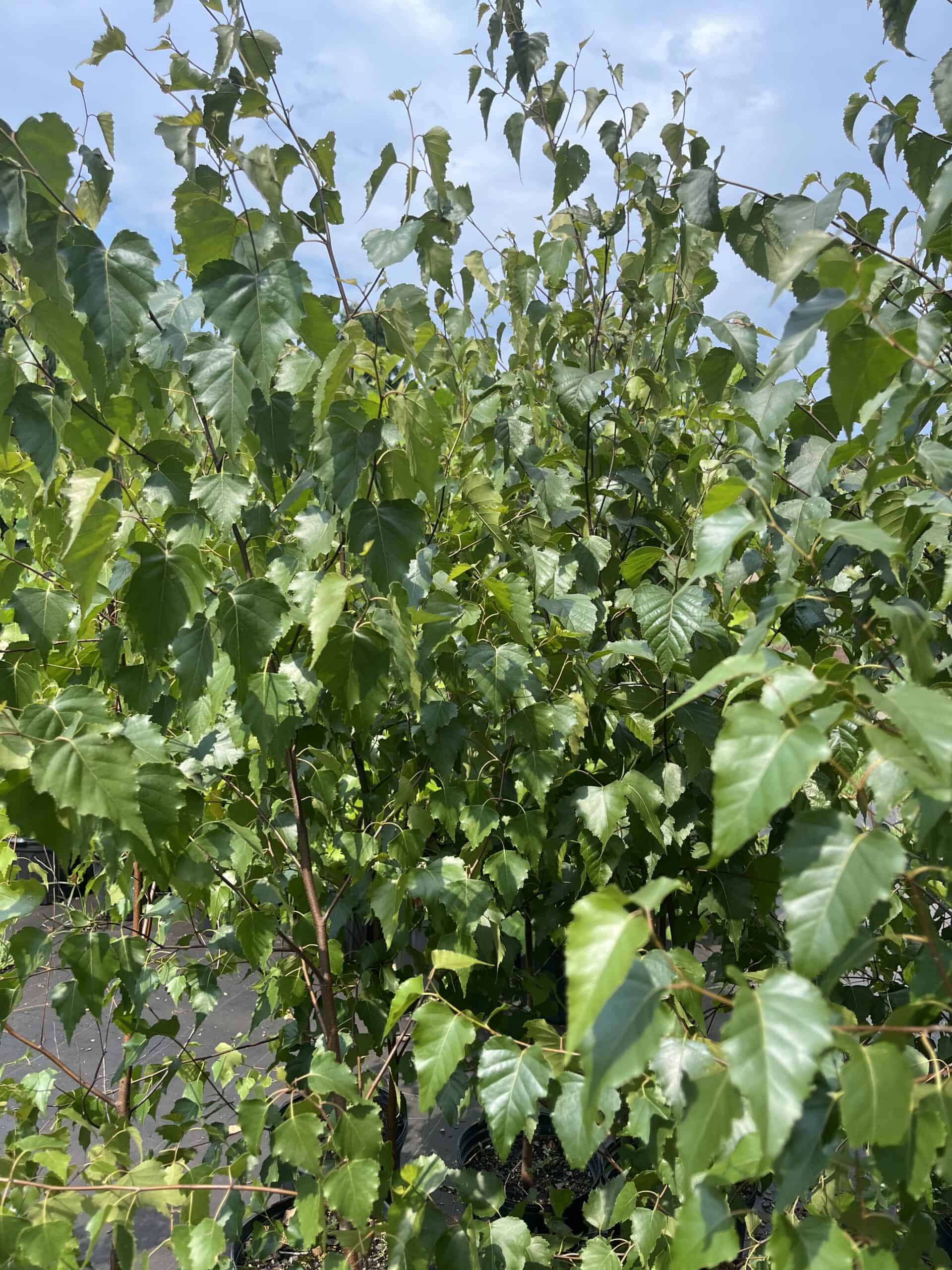
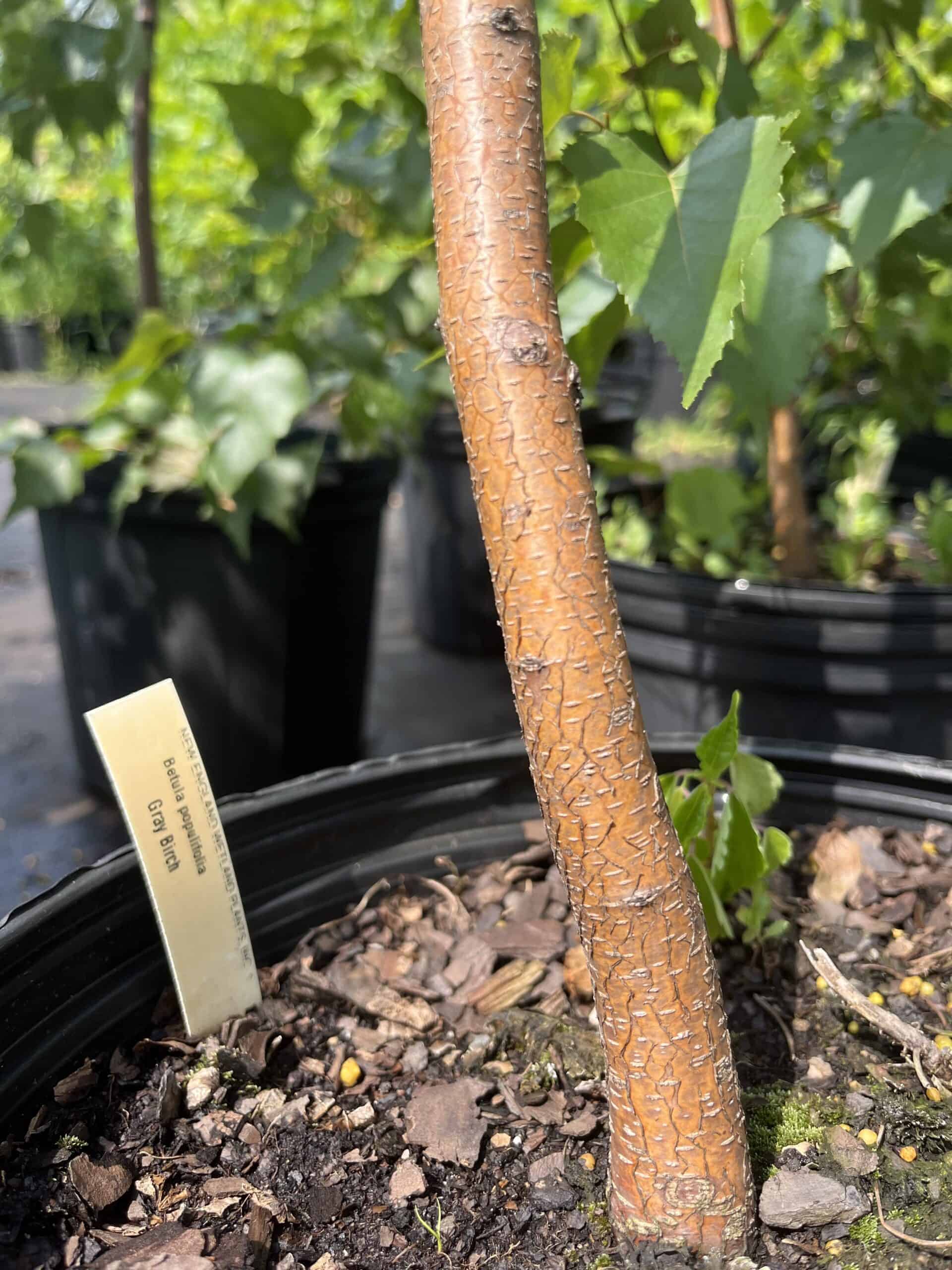
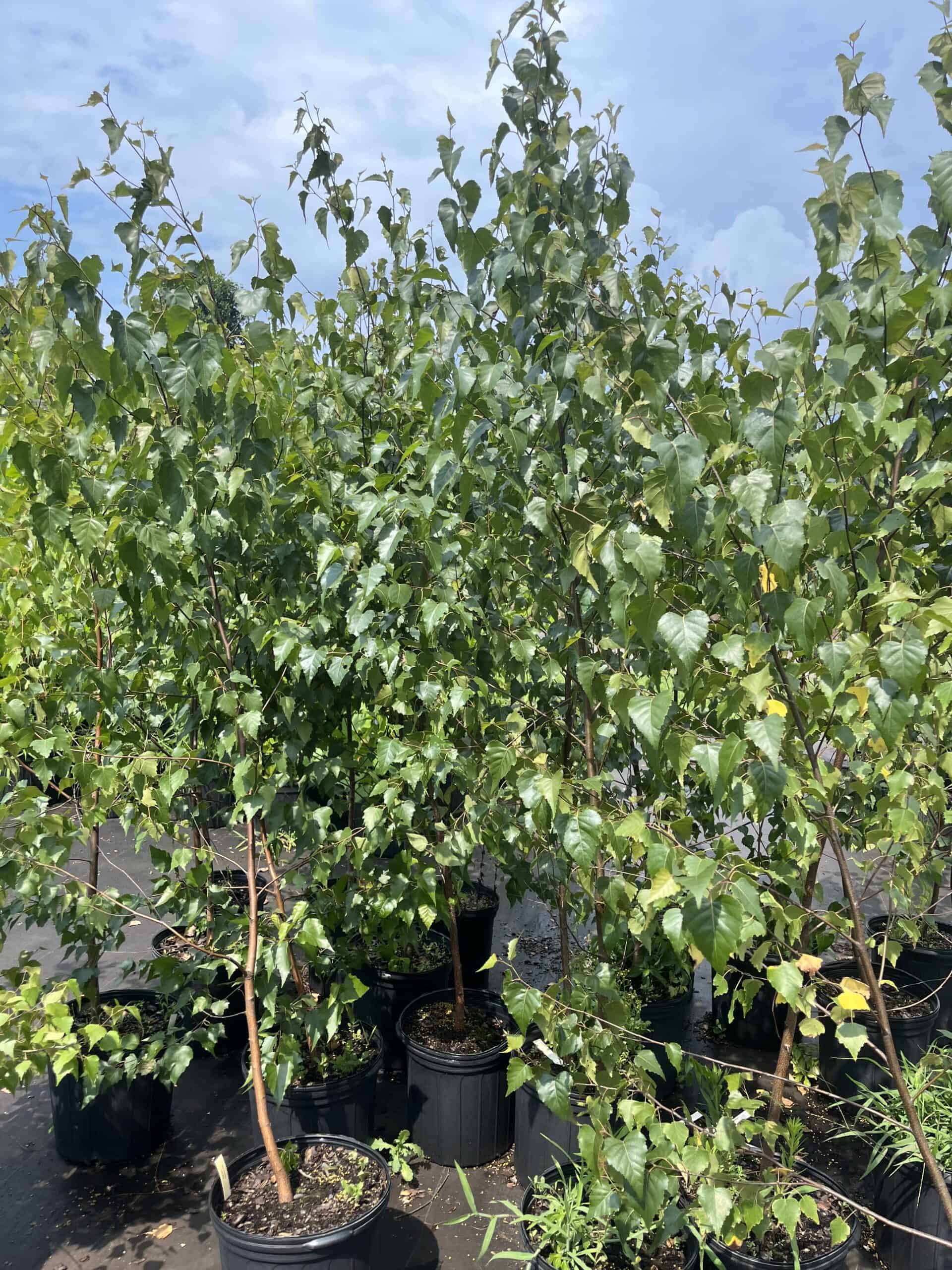
Gray birch is a pioneer species, quickly growing in disturbed sites. Tolerates multiple soil types but prefers well-drained soils. Tight, non-shedding gray/white bark with dark, upside-down V-shaped furrows, called chevrons. Adapted to the full and direct sunlight in disturbed areas, gray birch has been known to act as a ‘nursery tree’ for mid- to late-successional trees and shrubs by creating more hospitable, partially-shaded conditions.
Plant Description
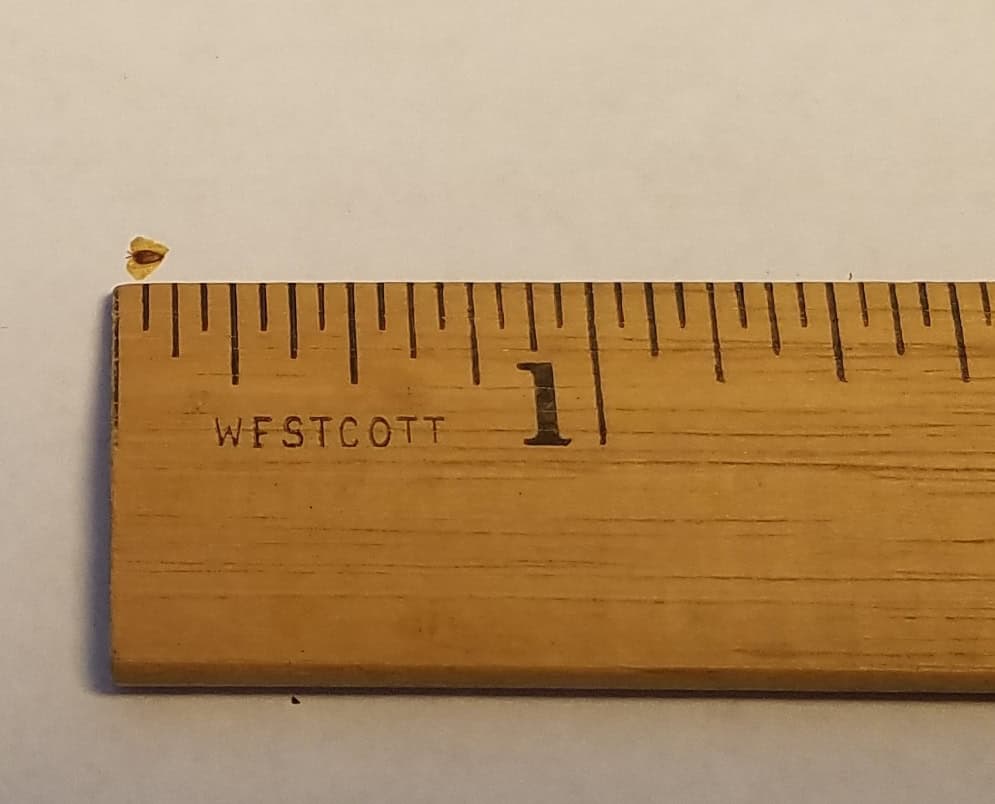
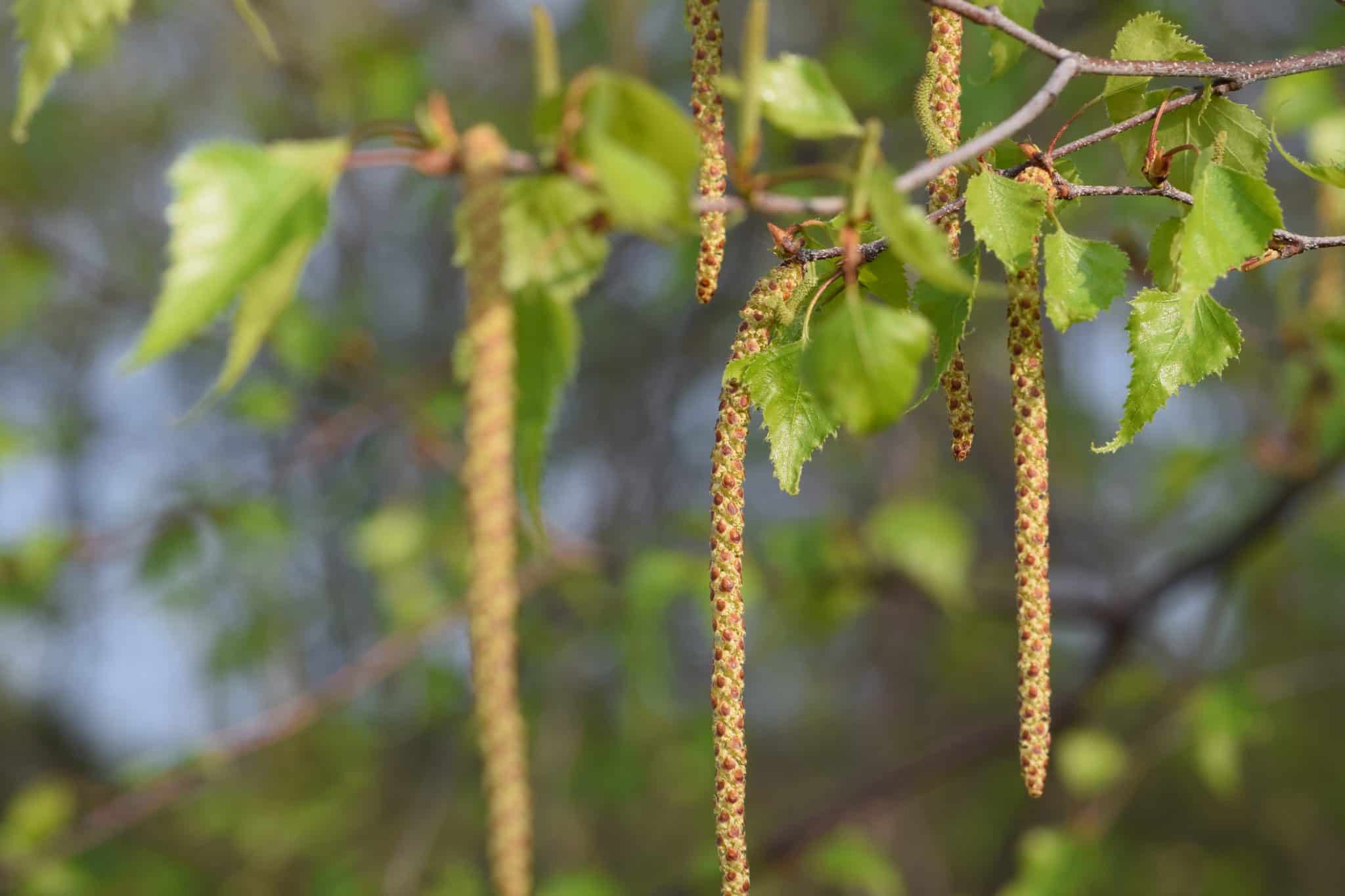
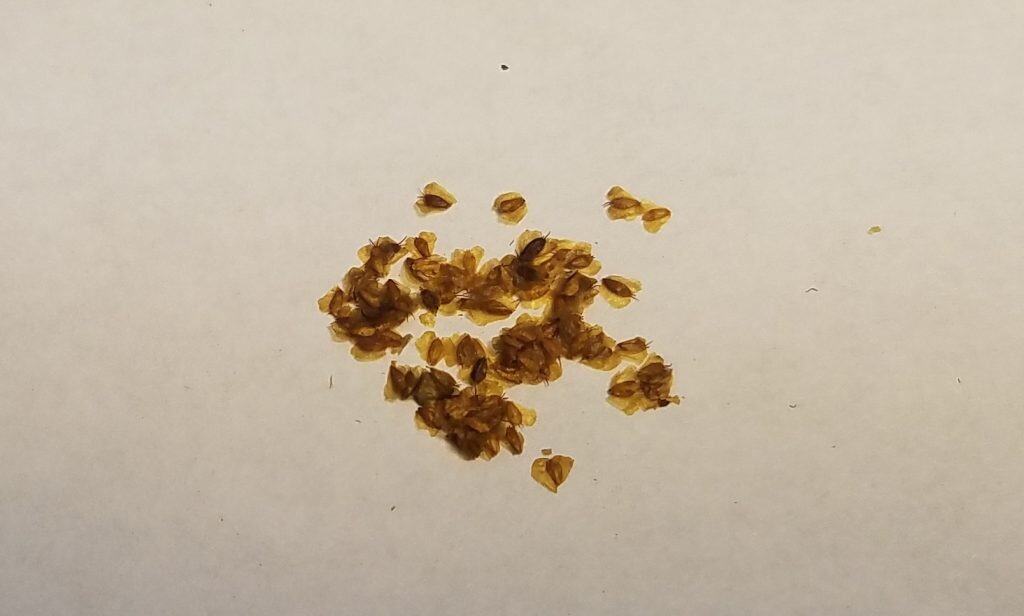
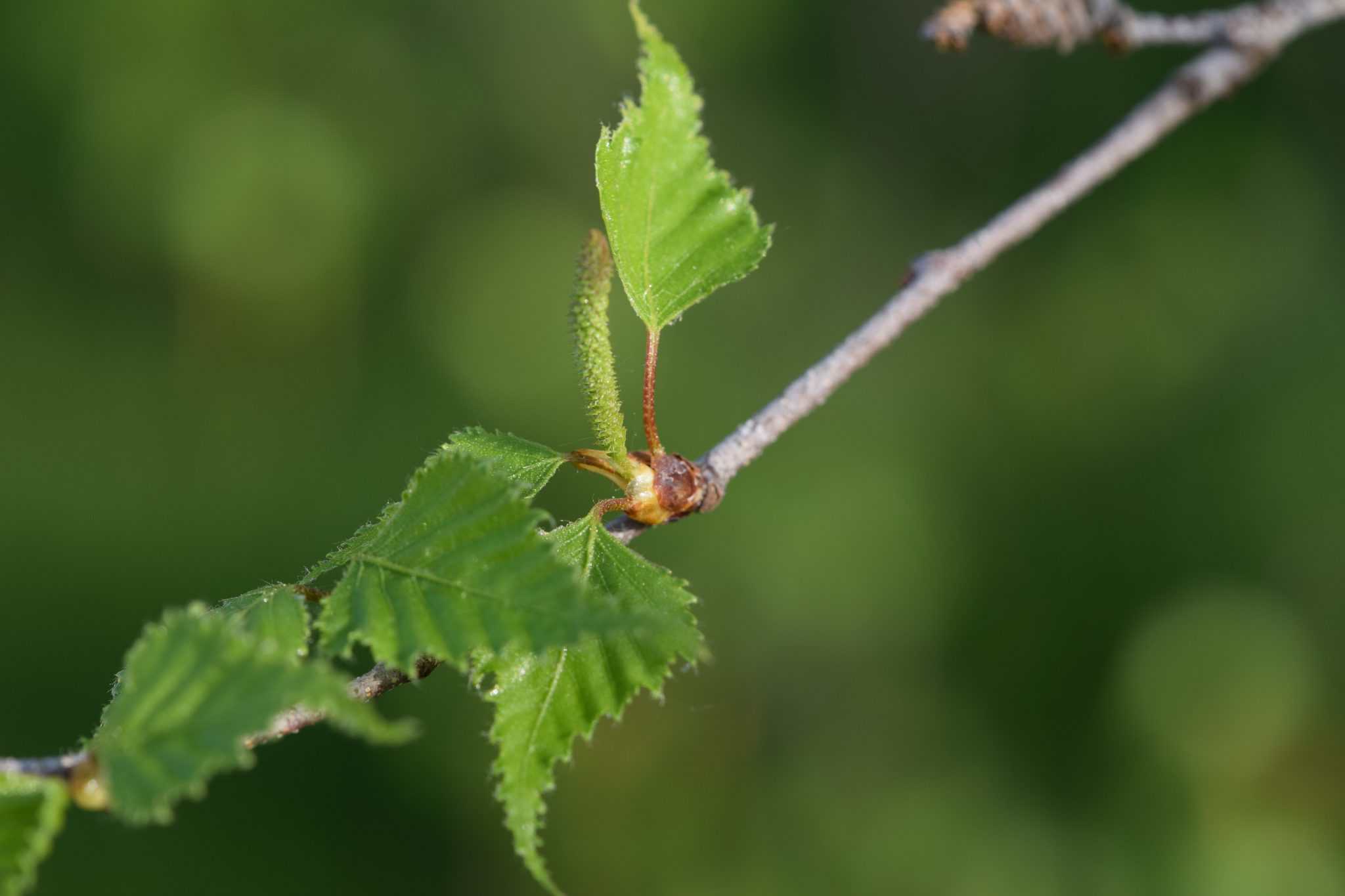
A smaller tree to 30 ft (occasionally taller – the current USA champion in the Cape May, NJ region is tipping 48 ft.) Leaves are triangular, somewhat 3-sided, with a pointed tip. Each individual tree has both male and female flowers with the female flowers creating 1–2 inch cones in the spring that when fertilized bear numerous small, winged seeds that are dispersed by wind in late fall/winter. The male flowers produce 4-5 inch catkins in the spring. Twigs are reddish-brown, and odorless (a further distinquishing characteristic to the wintergreen odor of some fellow birch species).
Height (ft)
20-40
Spread (ft)
10-20
Soil moisture
Variable (shore edges to uplands)
Soil types
Coarse to fine in texture, will tolerate dry and gravelly soils and burnt lands
Wetland indicator
FAC
Shade tolerance
Full Sun
Bloom color
Green (Inconspicuous)
Bloom period
Spring
Fall conspicuous
Yes
Anaerobic tolerance
None
Drought tolerance
Medium
Salinity tolerance
Medium
Self-Pollinating?
Yes
Range
Gray birch can be found in the northeastern US, and into Canada, and as far south as North Carolina, although less common.

Additional Information
According to BRIT - Native American Ethnobotany Database, the inner bark scrapings used for swellings caused by wounds and as an emetic.