
Eleocharis palustris
Spike Rush

General
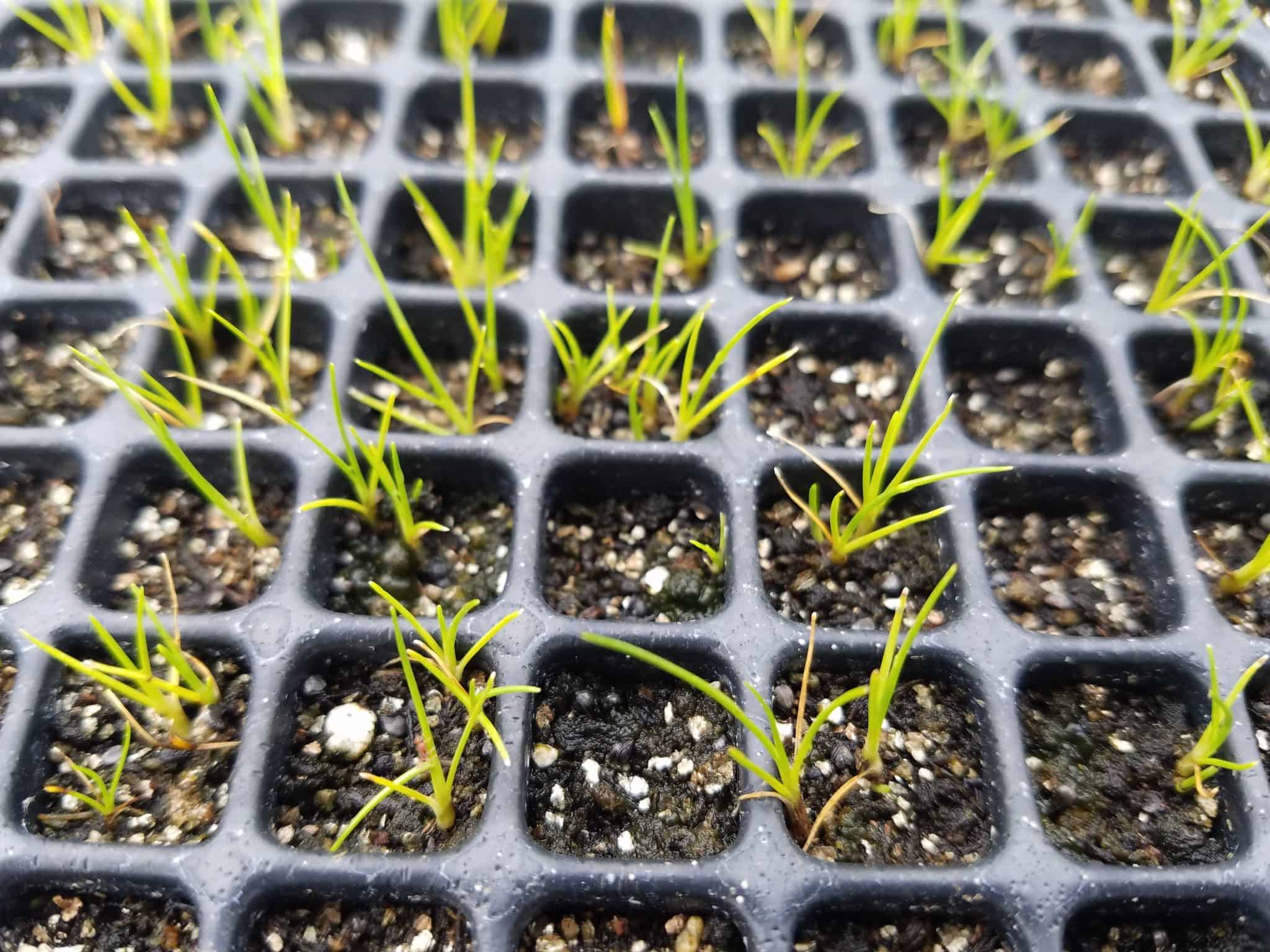
It is distinguished by its slender, upright stems that form dense tufts, typically growing in wetland habitats such as marshes, pond edges, and along streams. Common spike-rush produces small, brownish spikelets at the tips of its stems, contributing to its characteristic appearance in aquatic and semi-aquatic environments. Can grow on sites that are seasonally or permanently flooded. Provides cover for various small wildlife. Useful for soil stabilization. Prefers full sun.
Plant Description
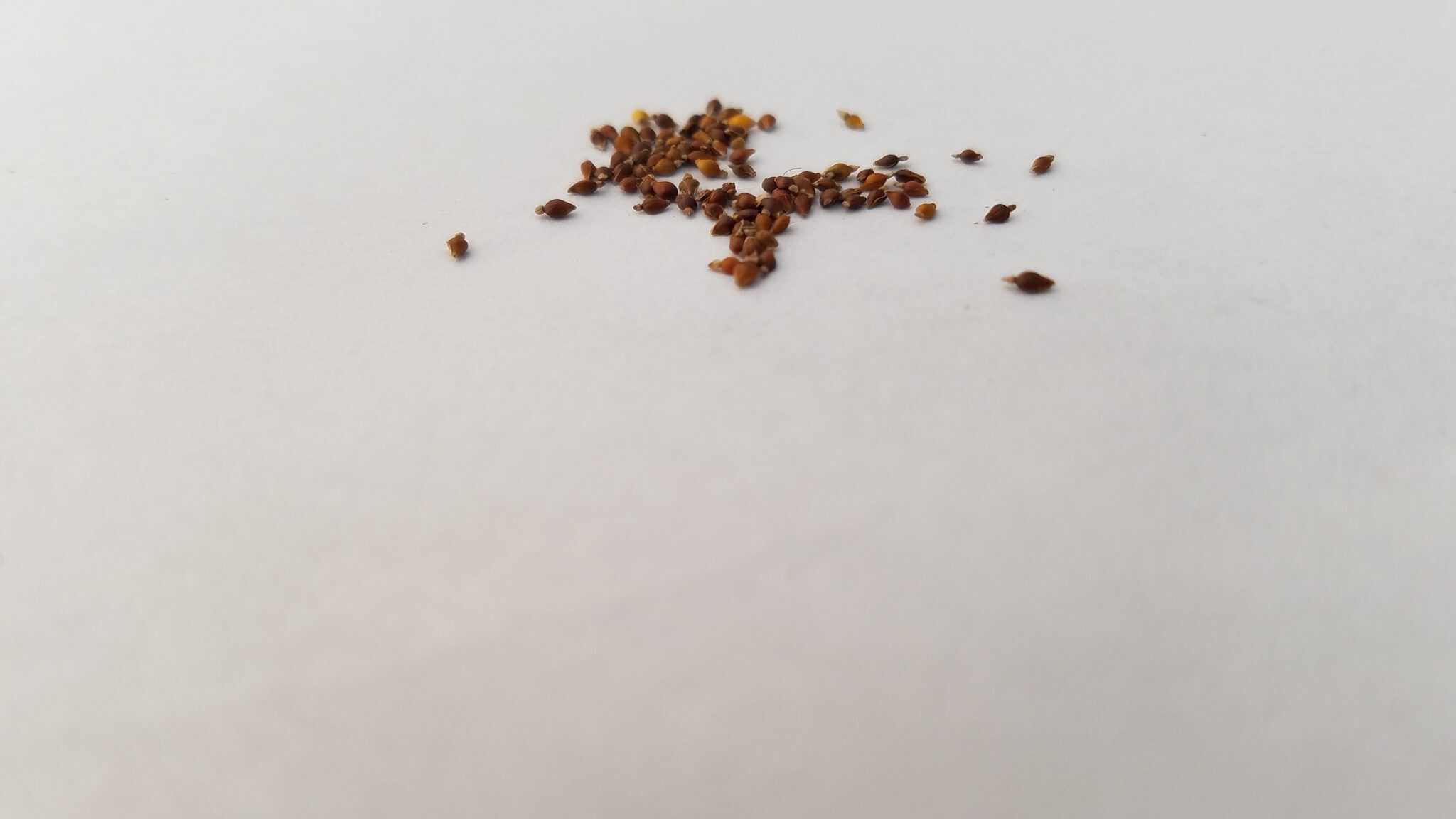
Reaching up to 3' tall. Tall, thin stems with two leaf sheathes on the lower stem. Flower is one small pointed spike at the tip of the stem, reddish brown in color, which will produce a single seed.
Height (ft)
3'
Soil moisture
Wet
Soil types
Clayey or Sandy soils
Wetland indicator
OBL
Shade tolerance
Intolerant, Full Sun
Bloom color
Brown
Bloom period
Summer
Drought tolerance
Low
Salinity tolerance
Low
Range
Common throughout most of the continental United States. Rare but present in the Southeast, and not present in Florida.

Kartesz, J.T. 2024. Floristic Synthesis of North America, Version 1.0. Biota of North America Program (BONAP) [website http://bonap.org/]
Additional Information
According to USDA NRCS Idaho State Office, the rhizomes of this plant form a matrix for beneficial bacteria which makes this plant a great choice for wastewater management applications.