
Prunus virginiana
Chokecherry

General
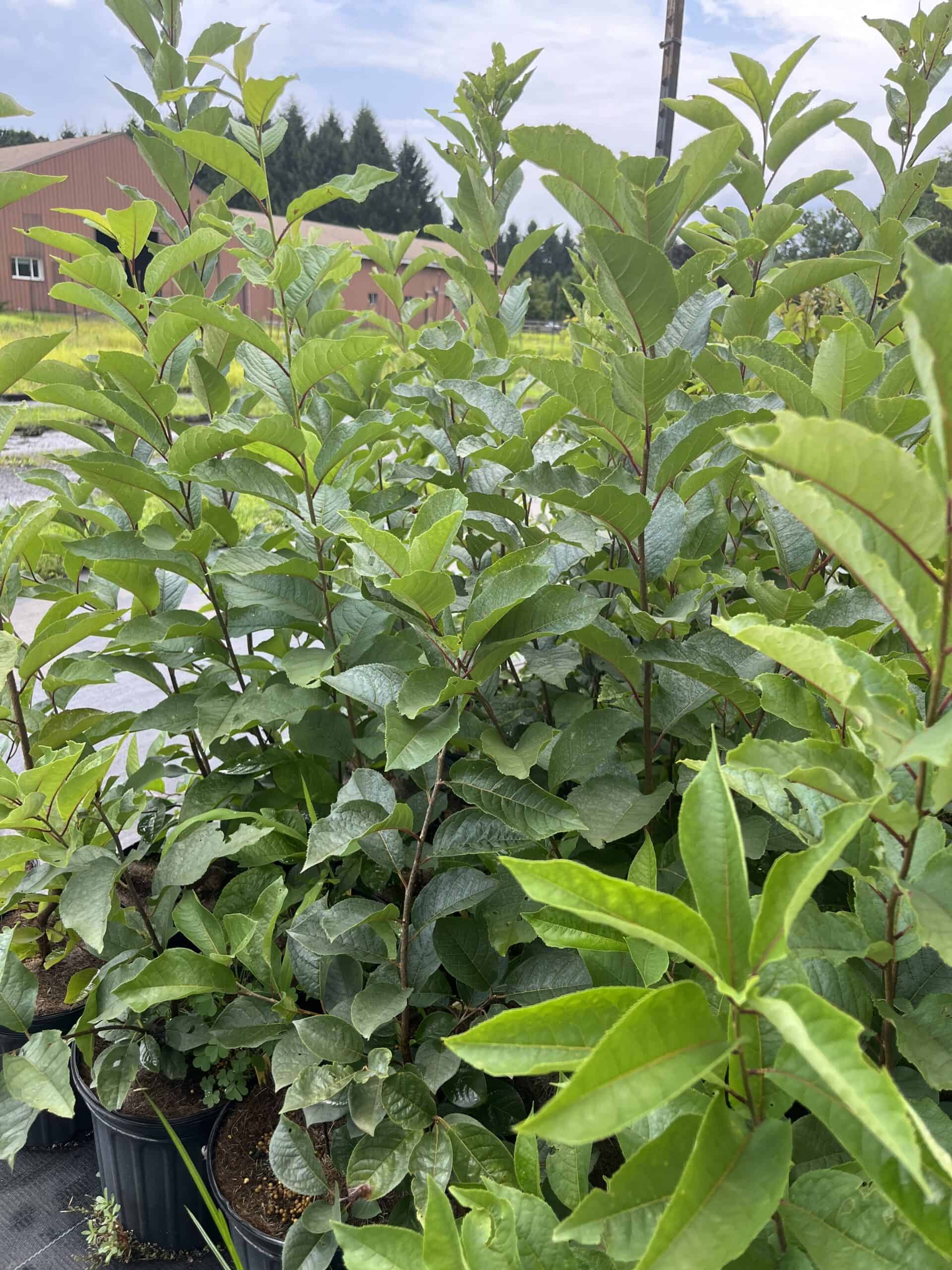
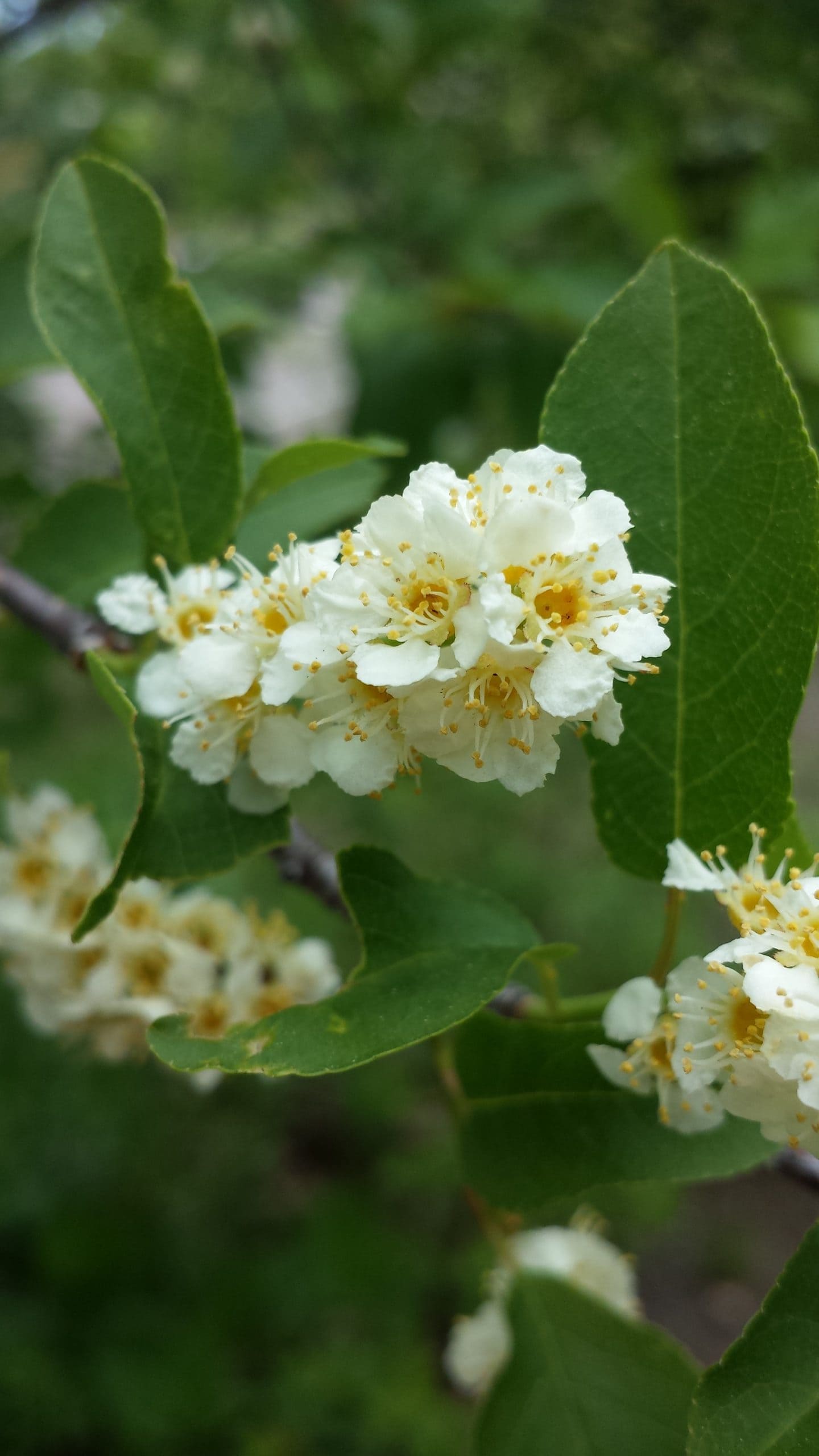
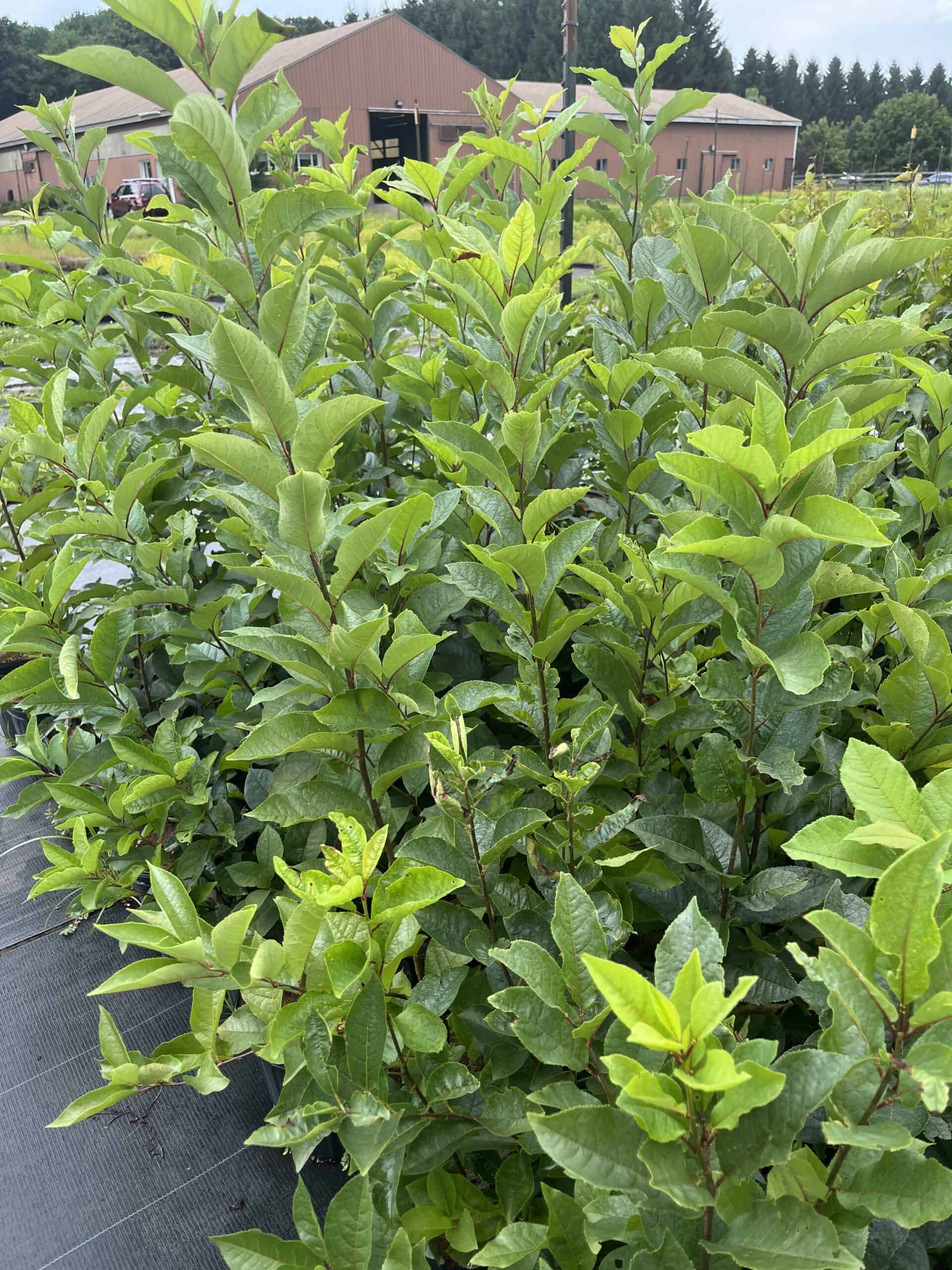
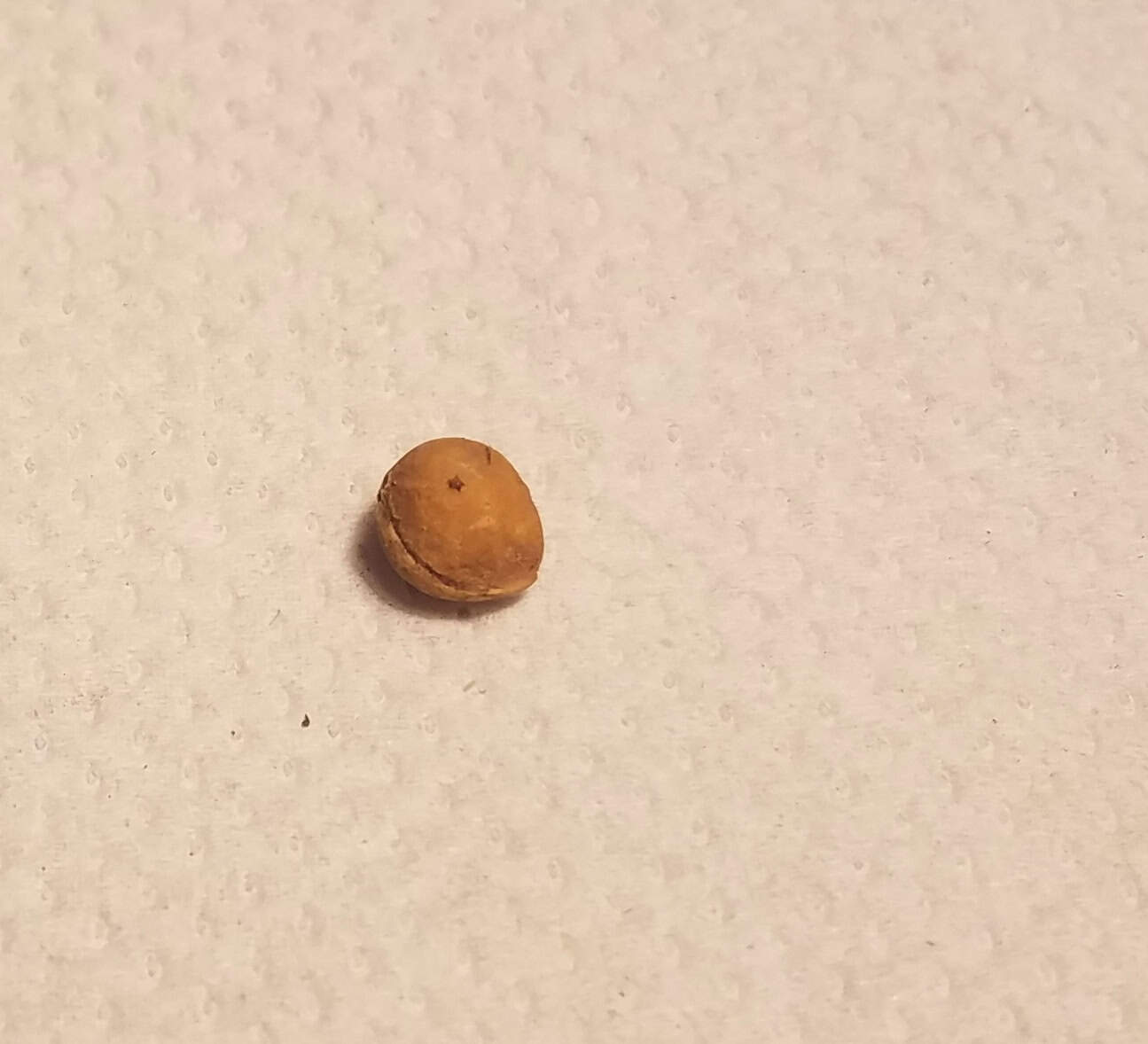
Chokecherry is a species of cherry that produces showy white flowers and red fruits with a strong astringent taste. The flowers are valuable to native bees, butterflies, and moths, while the fruits are consumed by many types of wildlife. Chokecherries tend to form thickets, creating habitat and thermal cover for wildlife, and is therefore a good choice for shelterbelts and windbreaks. This cherry forms a dense rhizome mat beneath the soil, making it useful in situations that require erosion control.
Plant Description
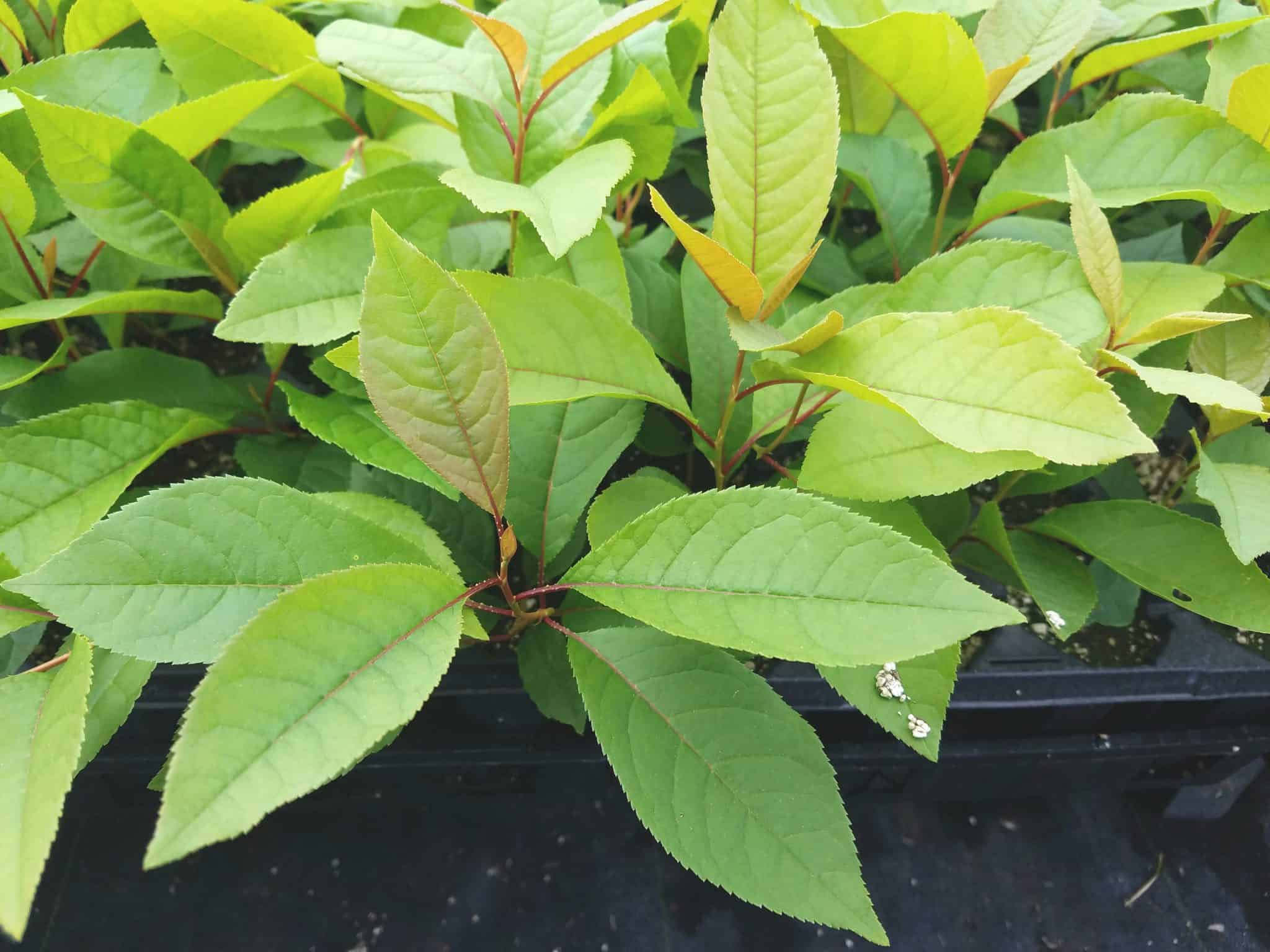
Small, deciduous tree. Leaves are glossy and simple with toothed margins. Bark of young trees is grey or reddish with light-colored, horizontal lenticels. Mature bark is darker and furrowed. The flowers are small and white and form clusters that are several inches long. Fruits are dark red when ripe.
Height (ft)
To 30 Feet
Spread (ft)
10-20
Soil moisture
Dry to Medium
Soil types
Coarse to medium textured soils (sandy loam to silt)
Wetland indicator
FACU
Shade tolerance
Intolerant, Full Sun
Bloom color
White
Bloom period
Spring
Fall conspicuous
Yes
Anaerobic tolerance
Medium
Drought tolerance
Medium
Salinity tolerance
Medium
Self-Pollinating?
Yes
Range
Found in most of the continental United States, except Alabama, Florida, Louisiana, Mississippi, and North Carolina.

Kartesz, J.T. 2024. Floristic Synthesis of North America, Version 1.0. Biota of North America Program (BONAP) [website http://bonap.org/]
Additional Information
According to BRIT - Native American Ethnobotany Database, the fruit has been part of the Abnaki diet, and the cherries used to make wine. The cherries have also been made into preserves or eaten raw. The cherry juice has also been known to help with sore throats. An infusion of the bark taken for coughs and colds. The wood has been used to make furniture or used as lumber.