
Acer saccharum
Sugar Maple
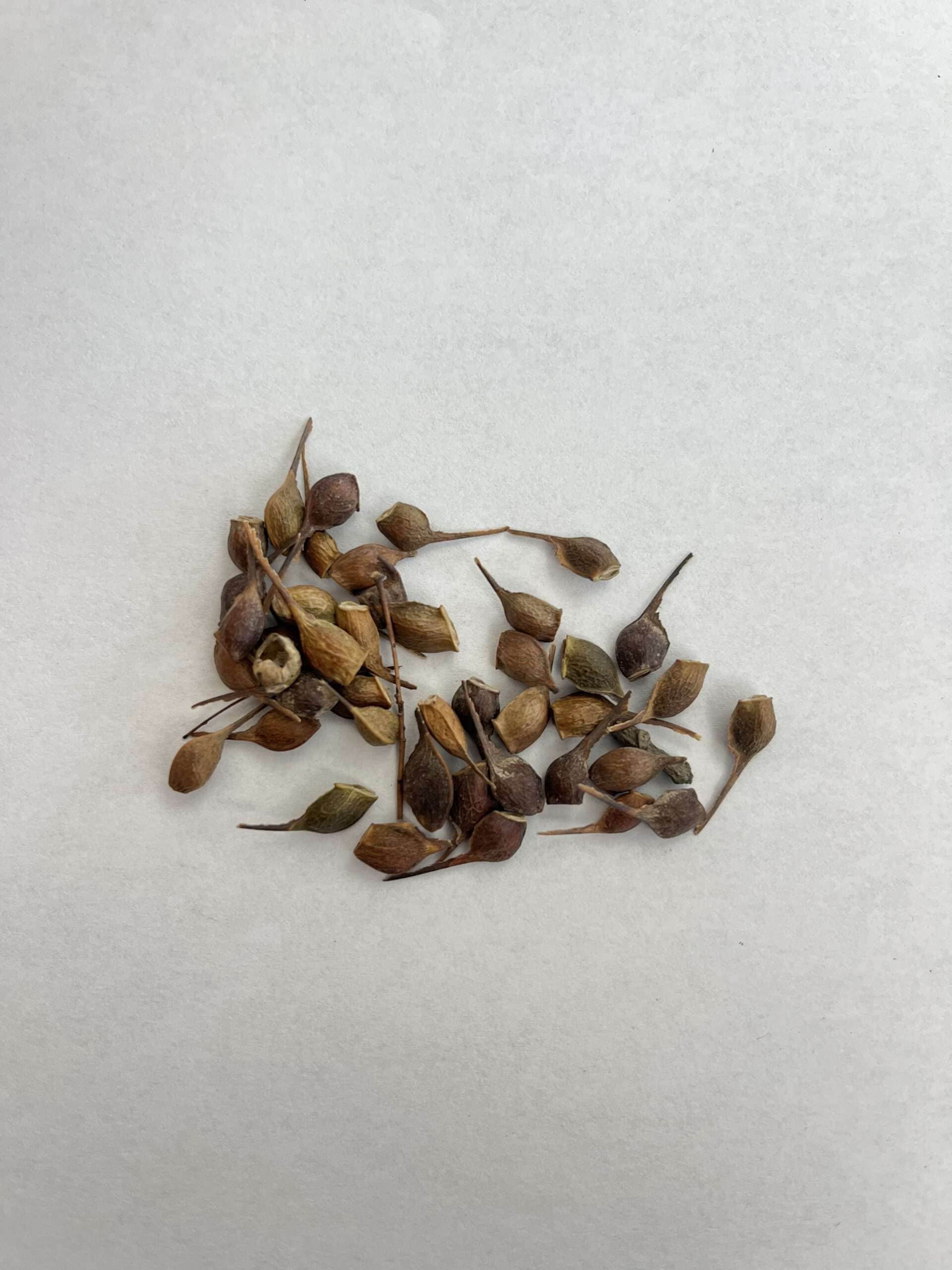
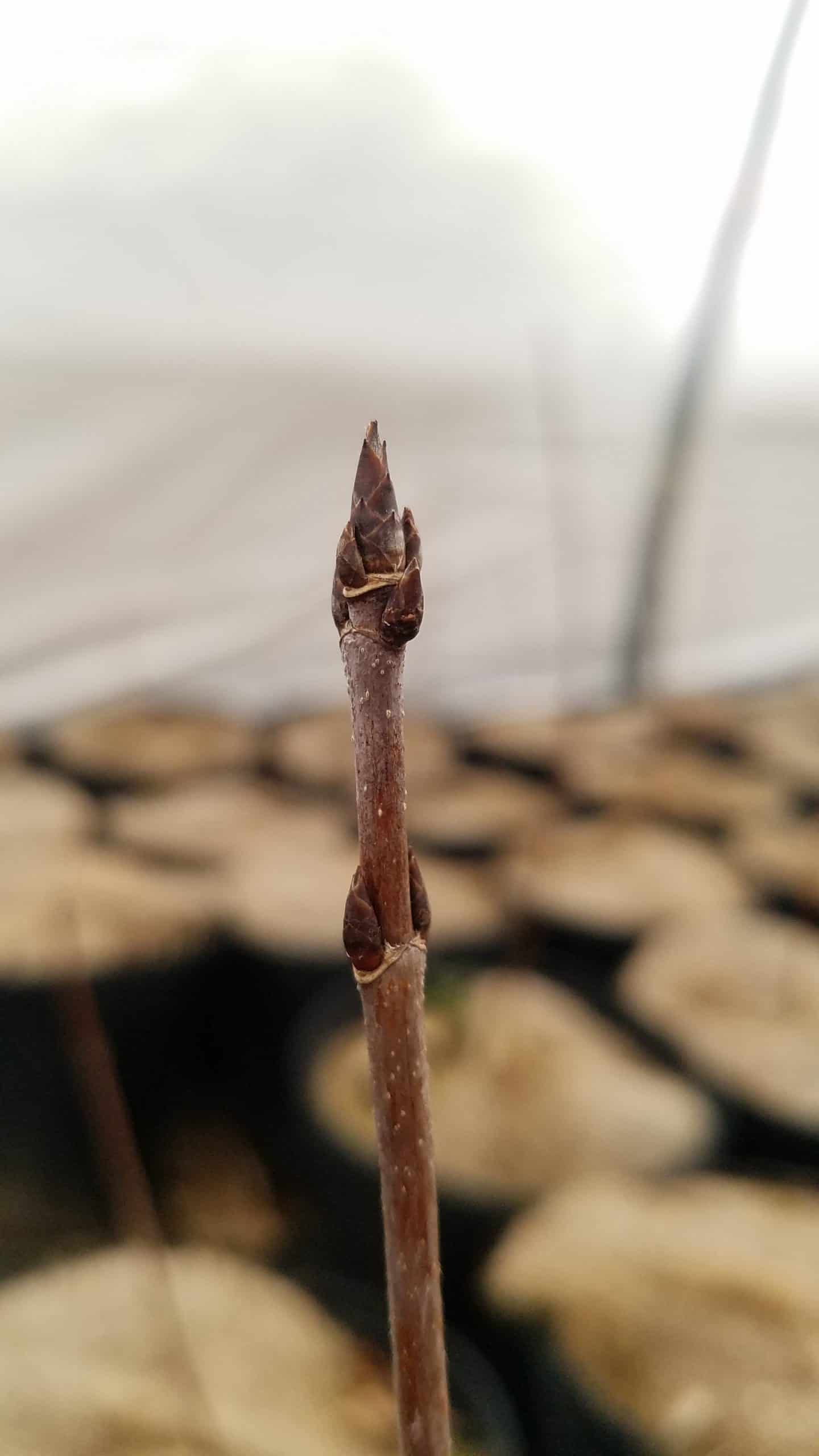
General
Widely known as the source for Maple Syrup. About 30-40 gallons of sap, reduced by boiling will yield one gallon of syrup. Somewhat in declining health throughout its range. Still a stately tree synonymous with northern New England. Superiorly strong and durable wood. “The most magnificent display of color in all the kingdom of plants is the autumnal foliage of the trees of North America. Over them all, over the clear light of the Aspens and Mountain Ash, over the leaping flames of the Sumac and the hell-fire of poison ivy, over the war-paint of the many Oaks, rise the color of one tree – the Sugar Maple- in the shout of a great army. Clearest yellow, richest crimson, tumultuous scarlet, or brilliant orange – the yellow pigments shining through the over paintings of the red – the foliage of the Sugar Maple at once outdoes and unifies the rest. It is like the mighty, marching melody that rides upon the crest of some symphonic weltering sea and with its crying song, gives meaning to all the calculated dissonance of the orchestra”. A Natural History of Trees, Donald Peattie, 1960, Crown Publishers.
Plant Description
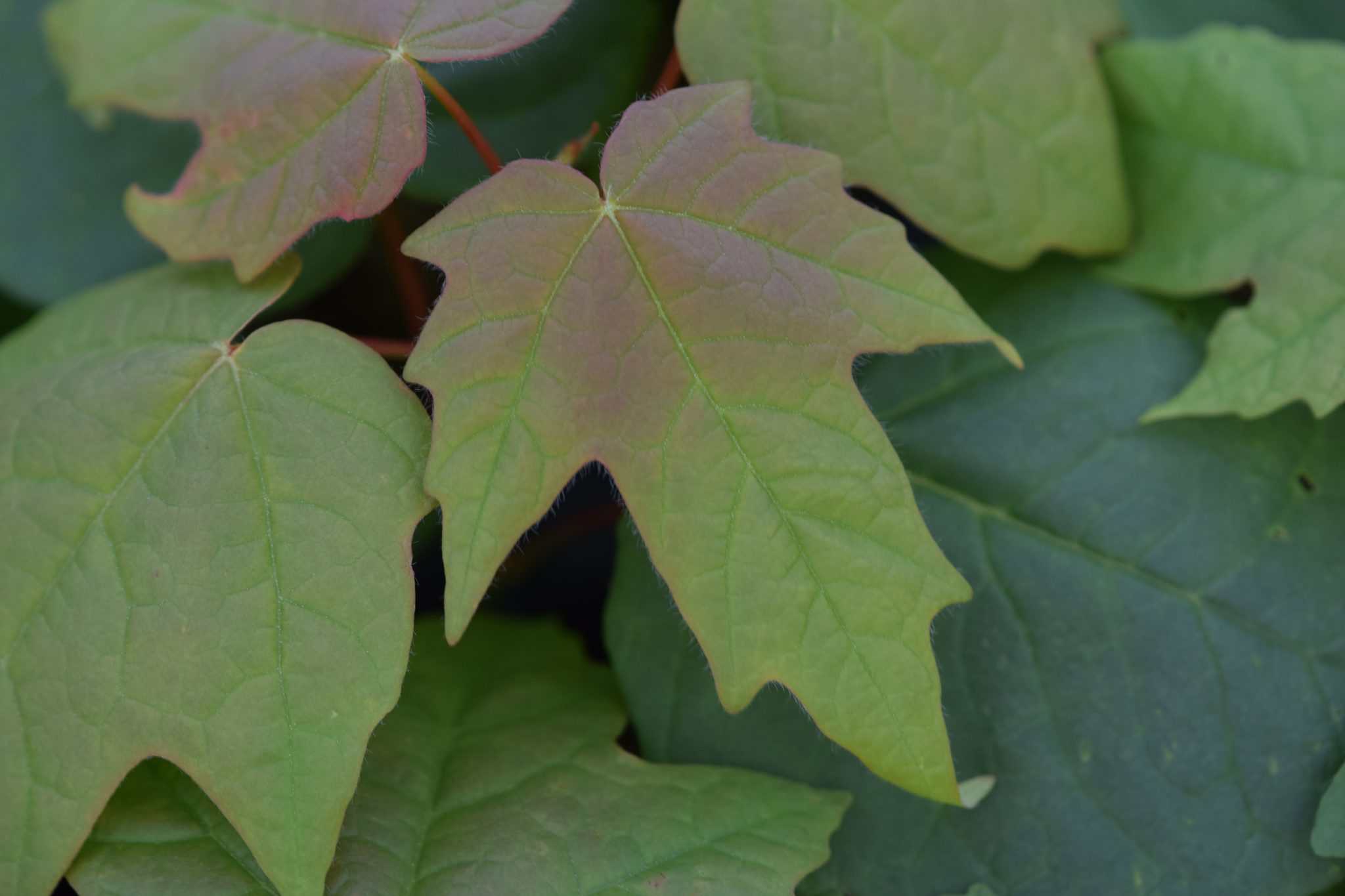
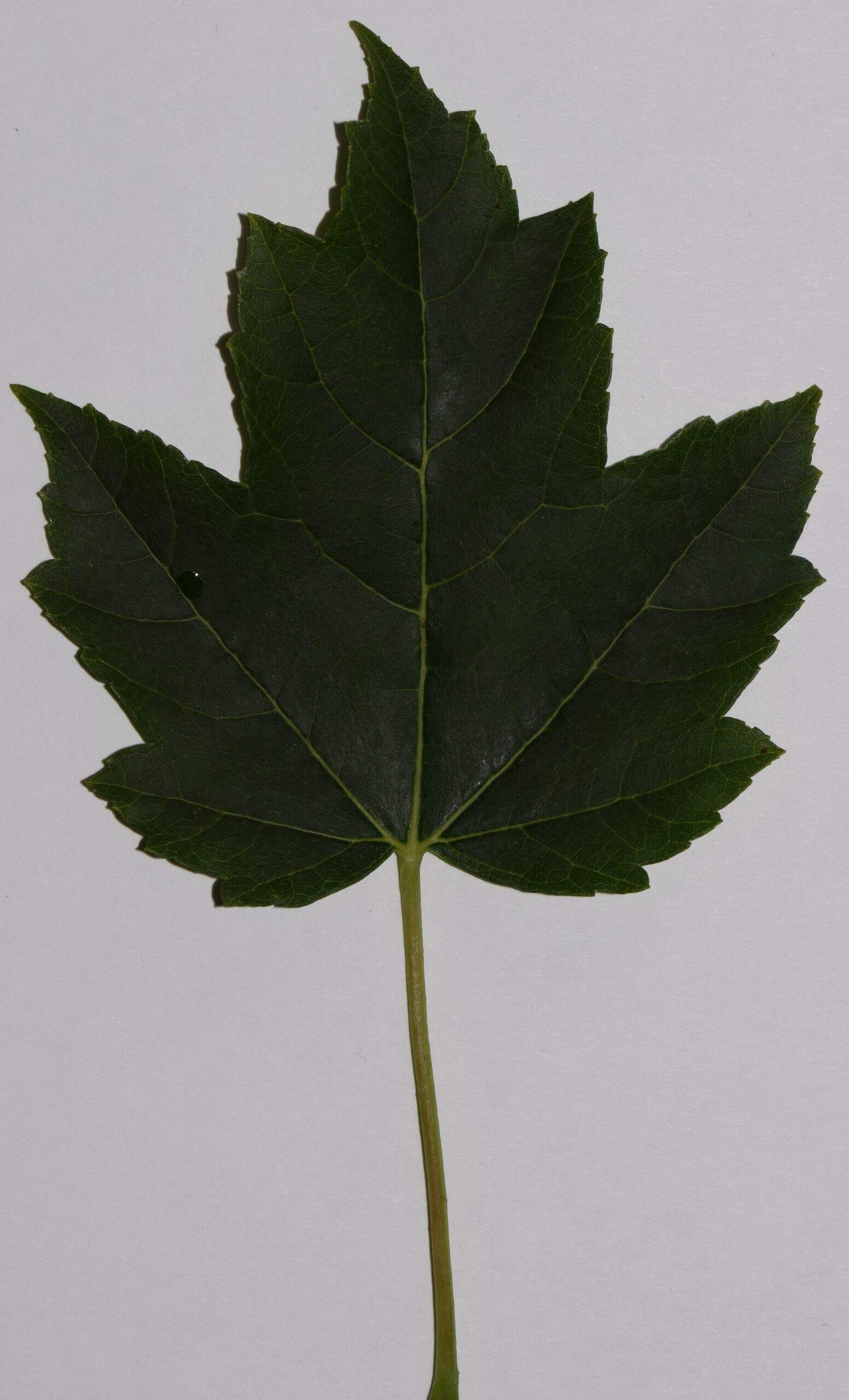
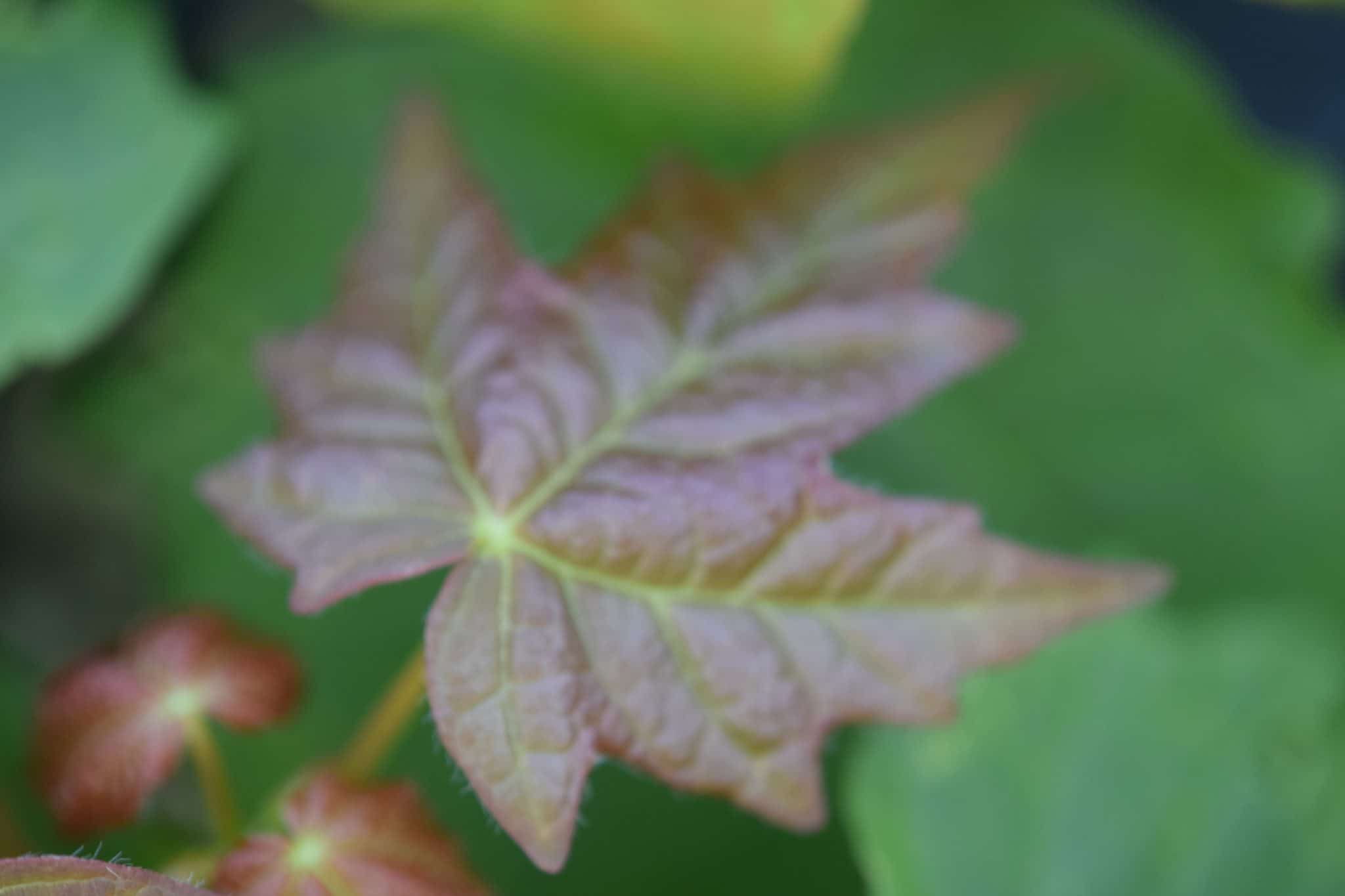
Leaves distinctly (3 or) 5 lobed, sinuses of the lobes “U” shaped, not “V” shaped. Flowers appear with the leaves, and can be male, female, or mixed. Its bark is generally lighter in color than other maples.
Height (ft)
80-100 (Occasionally up to 120)
Spread (ft)
30-50
Soil moisture
Medium
Soil types
Medium to Coarse
Wetland indicator
FACU
Shade tolerance
Full Sun-Part Shade
Bloom color
Green
Bloom period
April-May
Fall conspicuous
Yes
Anaerobic tolerance
None
Drought tolerance
Medium
Salinity tolerance
None
Self-Pollinating?
No but rarely can be
Range
Quebec and the Maritime Provinces west through the Great Lakes to Minnesota. Then south to Arkansas, and east through Alabama and the Carolinas back North to New England.

Additional Information
According to BRIT - Native American Ethnobotany Database, many tribes have collected the sap from this maple in order to make maple syrup which was highly traded. The wood has been used for timber and in making furniture. A complex compound with this species has been used to make a "blood purifier" and infusion of the inner bark along with other plants has been taken by "forest runners" for shortness of breath.