
Acer saccharinum
Silver Maple
General
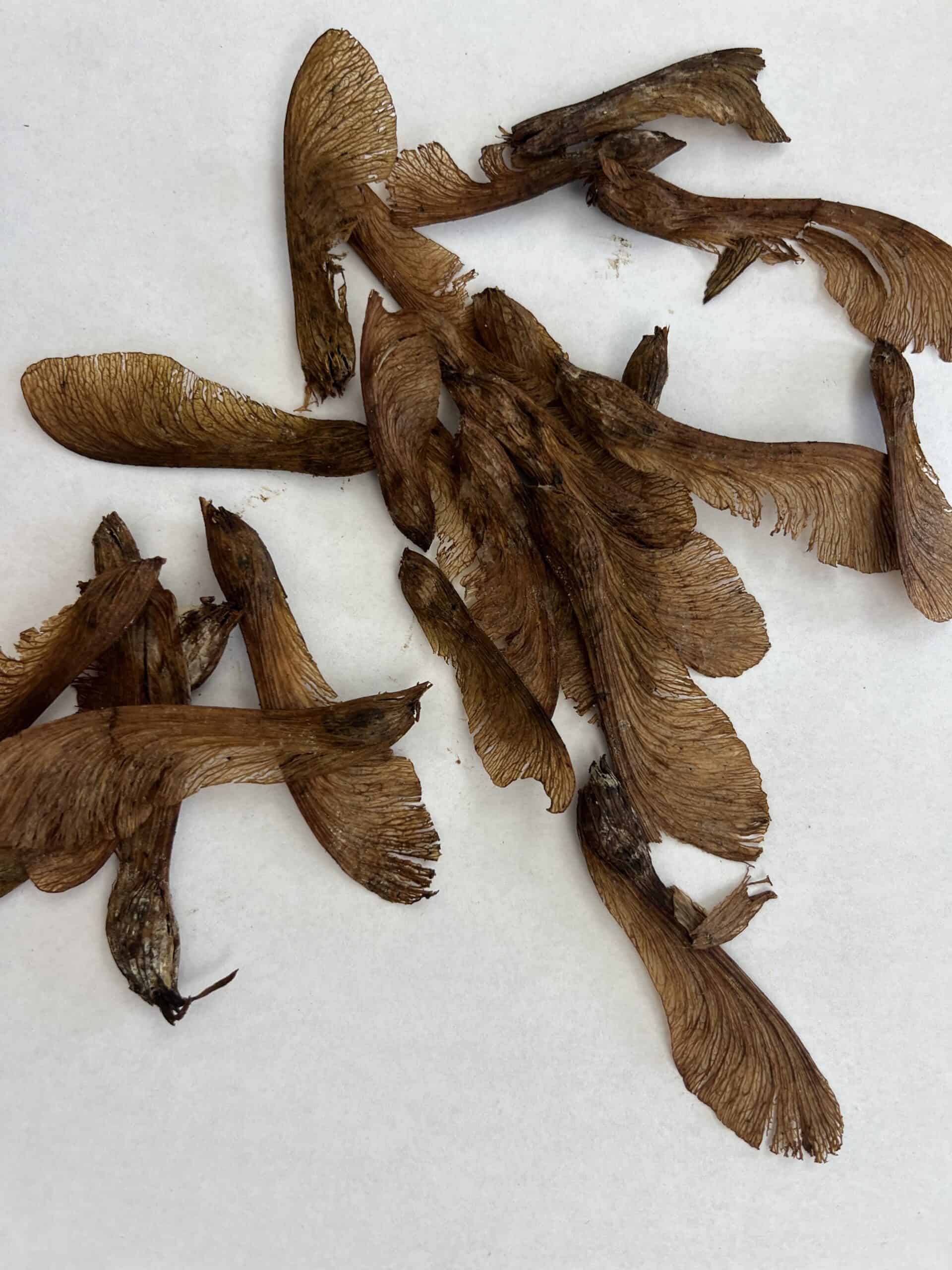
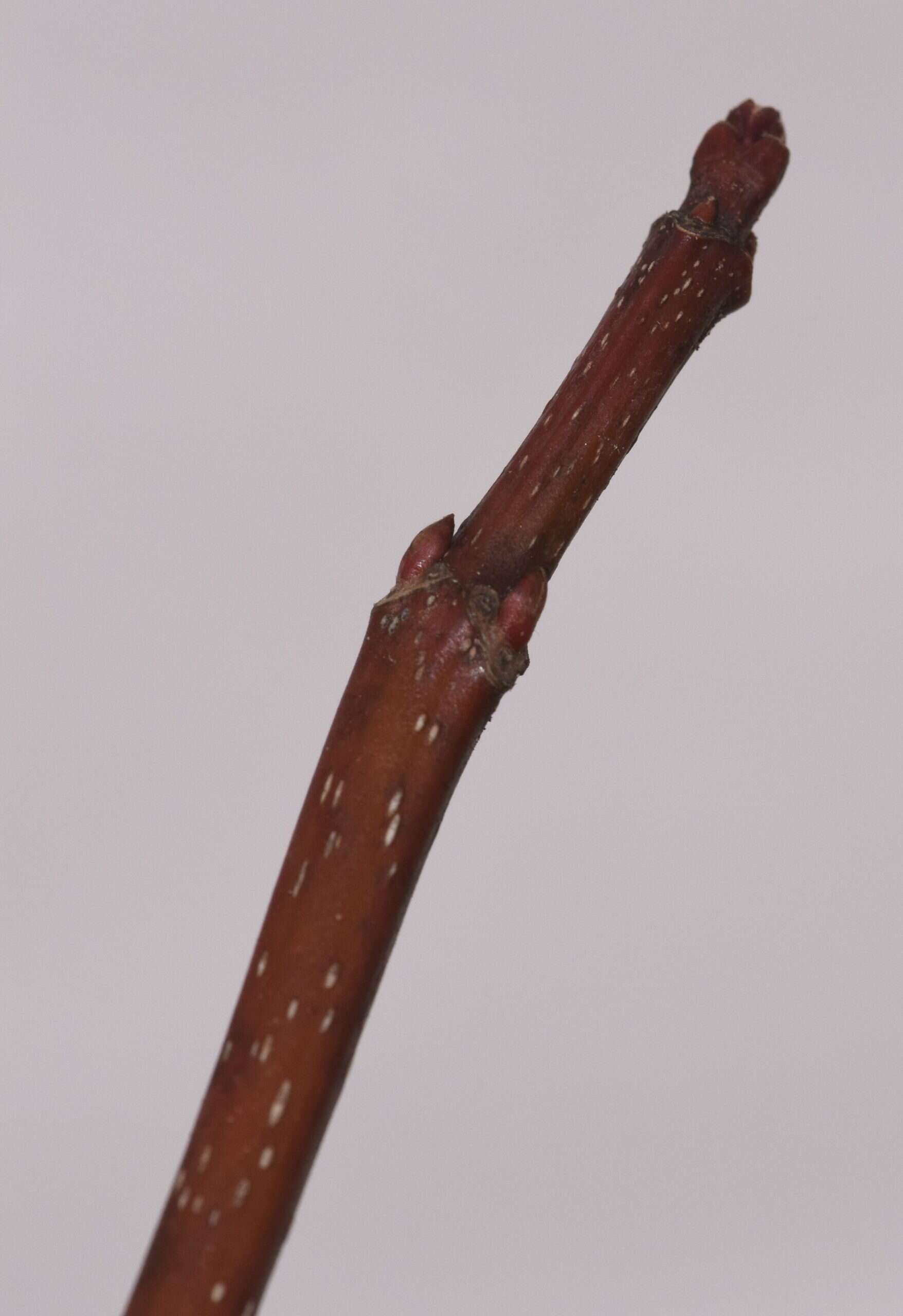
A magnificent tree of northeastern floodplains and streambanks. The fastest growing (to 50-70 ft) of all the maples. Relatively short lived (+/-90 years) compared with its maple cousins. Wood is hard but can be brittle, and is medium light in weight compared to other hardwoods. Flowers earlier than red maple. Individuals may be male, female or mixed. Mature trees convey an attitude of restrained dignity.
Plant Description
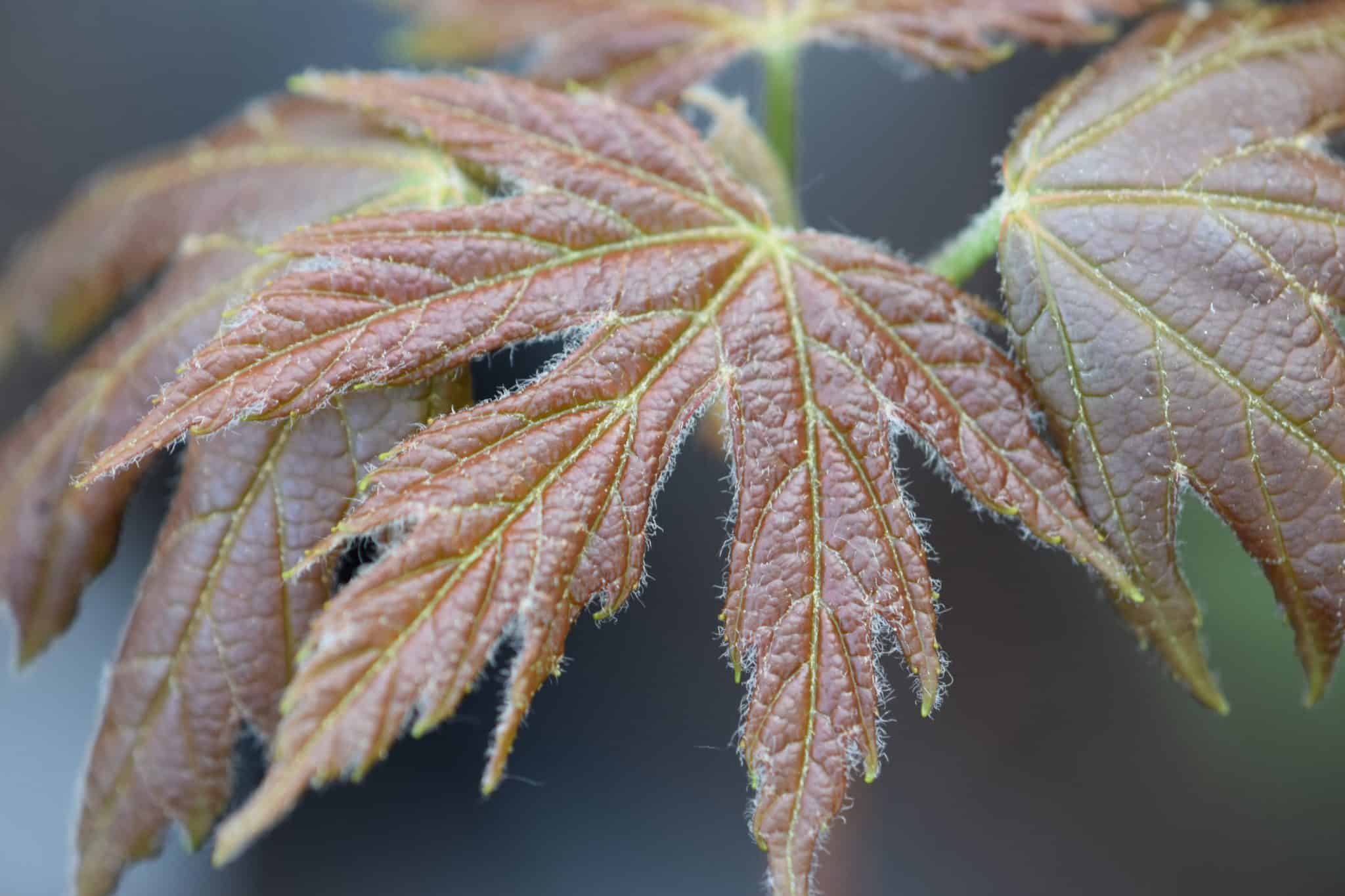
The leaves are opposite, 5 lobed with central lobe dominant and sinuses between lobes “V” shaped. “The silver maple’s blade is what nurserymen call a cut-leaved type; in other species…the cut leaved strains are usually sports or freaks for which there is demand among the sort of tree planters for whom nature is seldom good enough but must be prettified. But the silver maple comes by such charms naturally.” A Natural History of Trees, Donald Peattie, 1960, Crown Publishers.
Height (ft)
50-70
Spread (ft)
30-35
Soil moisture
Moist, Well-Drained
Soil types
Coarse to Fine
Wetland indicator
FACW
Shade tolerance
Partial Shade
Bloom color
Green, Yellow Green
Bloom period
Early spring, before leaves
Fall conspicuous
Yes, Yellow
Anaerobic tolerance
High
Drought tolerance
Tolerant
Salinity tolerance
Low
Self-Pollinating?
Yes
Range
From New Brunswick and Southern Quebec to the Carolinas and then west through Ontario, Michigan, Wisconsin and Minnesota to South Dakota, then south to Nebraska, Kansas and Oklahoma.

Additional Information
According to BRIT - Native American Ethnobotany Database, many tribes have used infusions of the bark for cramps, hives and dysentery, measles and more. The twigs and bark have been used to make a black dye and the sap used to make sugar and syrup. The wood has been used to make arrows and as timber wood.