
Eutrochium maculatum
Spotted Joe-Pye Weed
General
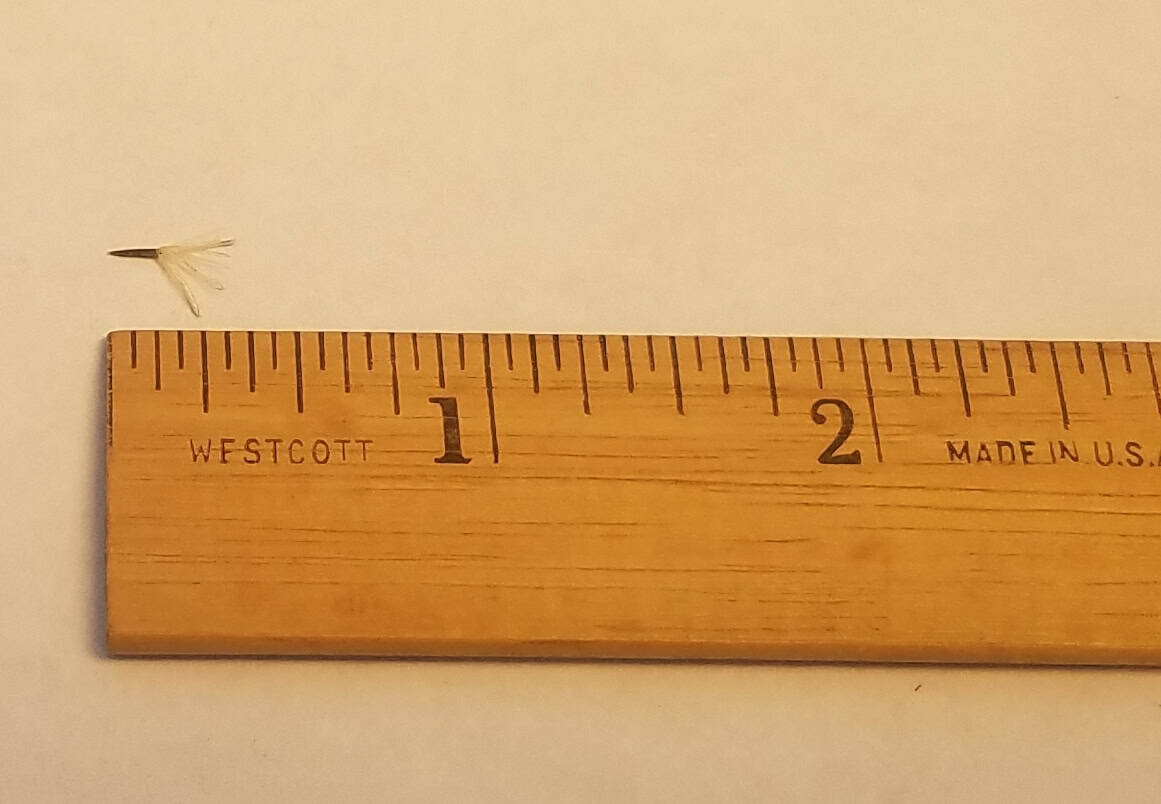
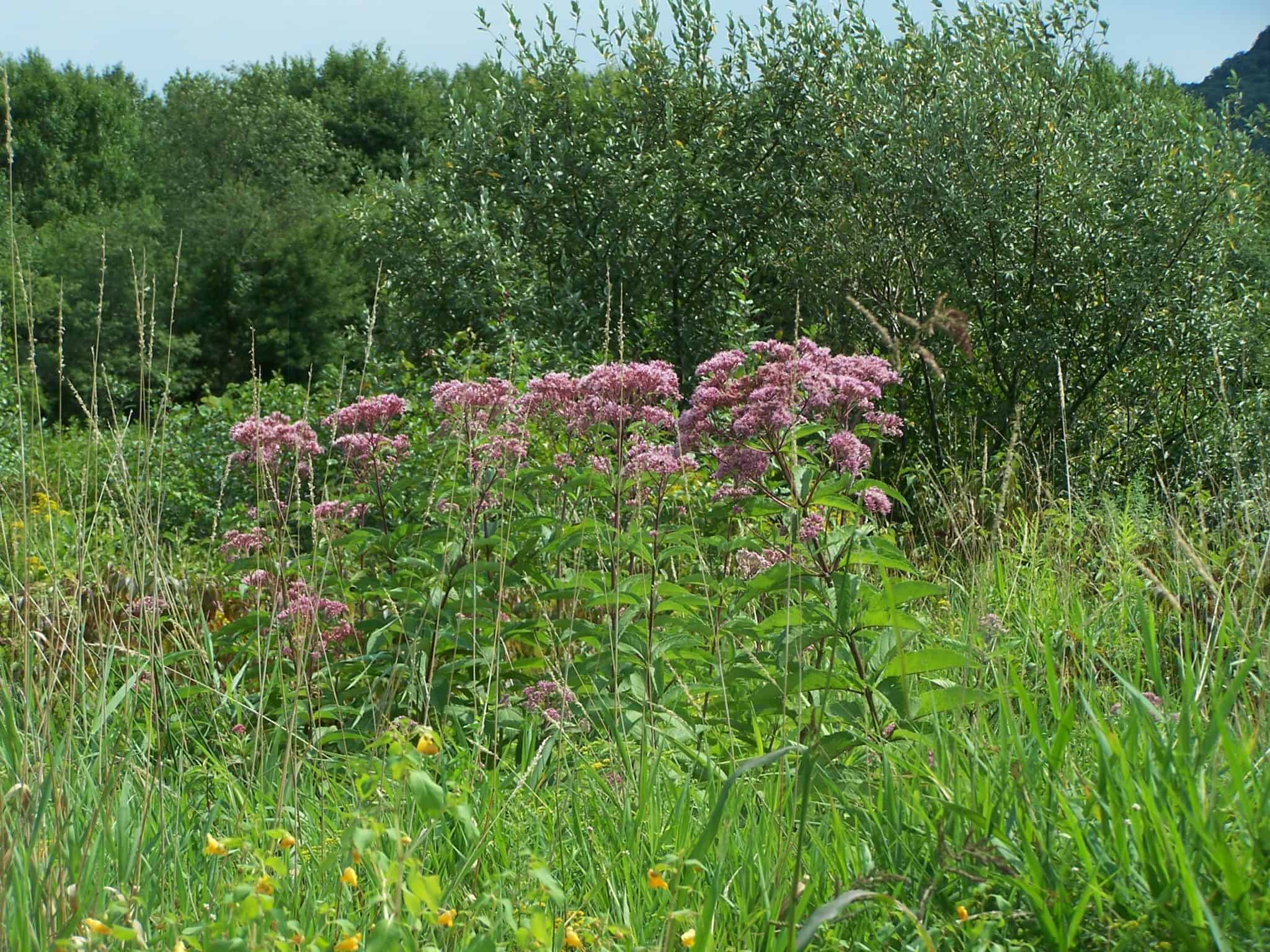
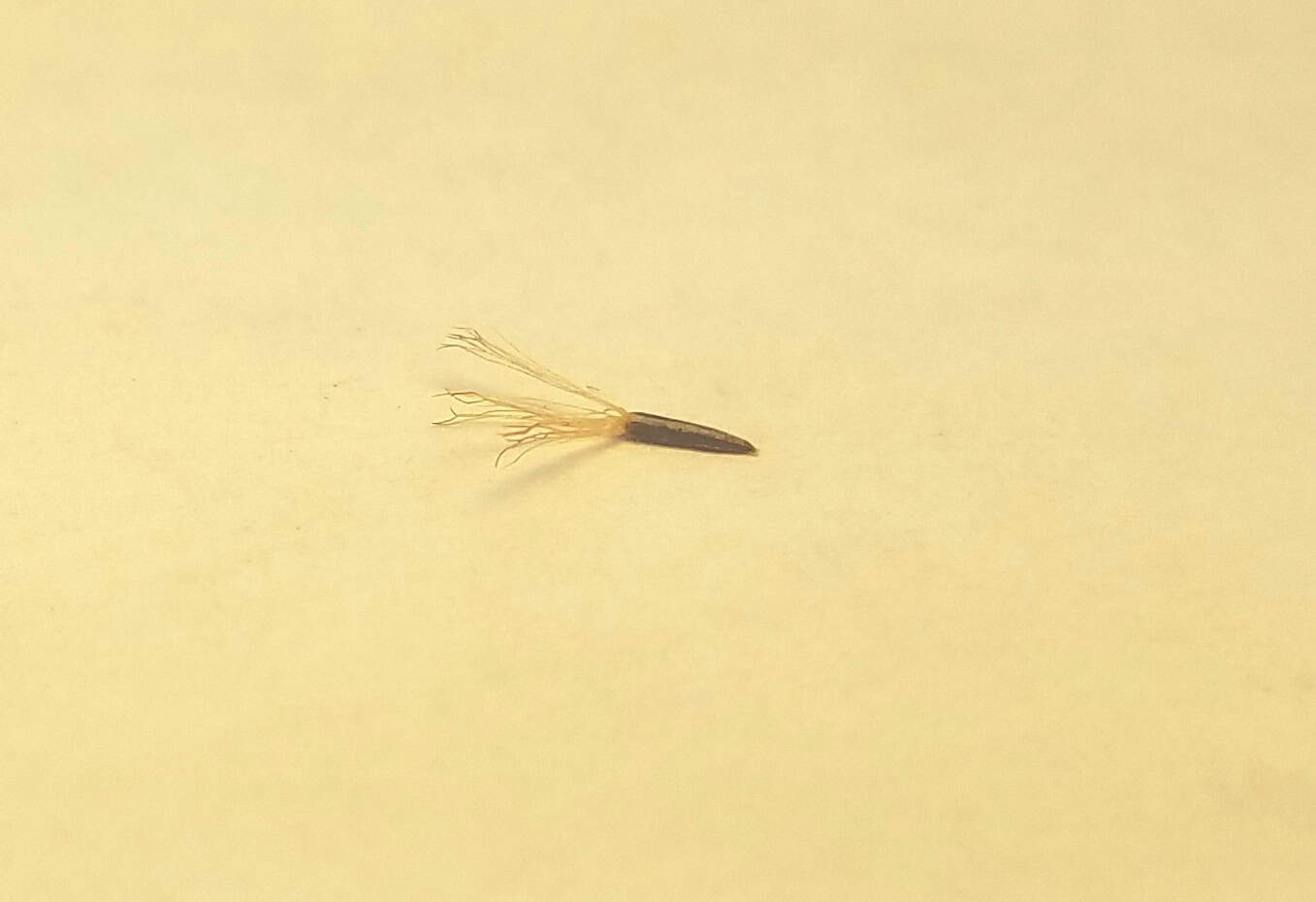
Spotted Joe Pye Weed is a tall colony-forming wildflower commonly found in wet meadows. The stems of Eutrochium maculatum are often spotted. Provides cover for a variety of animal species, and is a host for several species of moth. Known for its impressive height, vibrant pinkish-purple flowers, and its role as a significant pollinator attractant in wetland habitats. Primarily found in moist to wet soils, such as marshes, swamps, wet meadows, stream banks, and woodland edges. Flowers provide nectar for numerous insect species, including butterflies and bees, thereby contributing to local pollination networks while the seeds, which are dispersed by wind, are consumed by birds and small mammals. Robust growth and ability to stabilize soil in wetland areas also make it valuable for erosion control and wetland restoration projects.
Plant Description
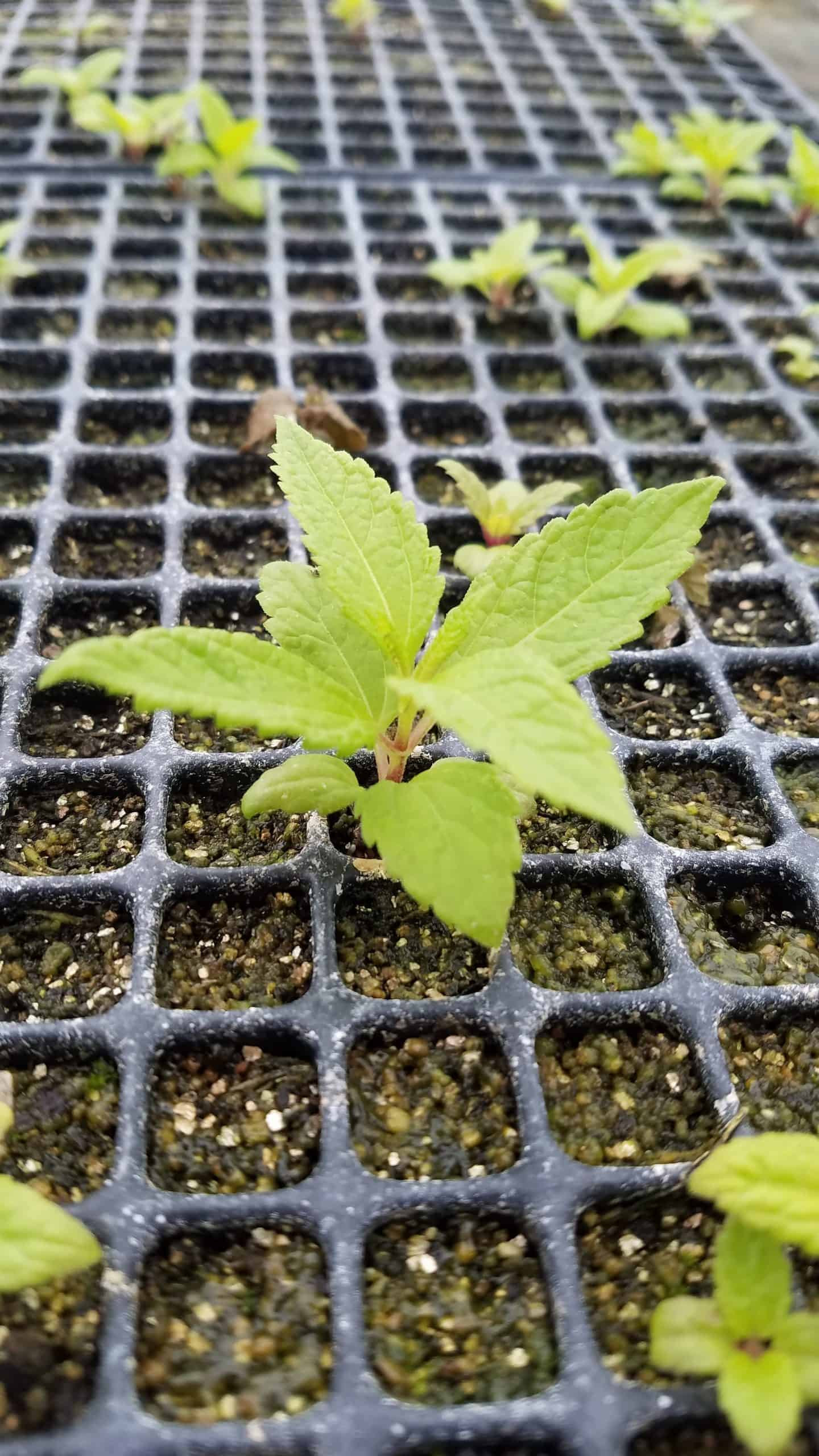
A tall wildflower reaching up to 6' in height. The central stems are stout, often purple-spotted or streaked, hence the species epithet "maculatum," meaning spotted. Leaves are large, lance-shaped, and arranged in whorls around the stem, creating a distinctive layered appearance. Flat pink or purplish flower clusters with hundreds of flower heads each, that will give way to fluffy seed heads. Whorled leaves usually in groups of 4-5, occasionally 3-6.
Height (ft)
6'
Soil moisture
Medium to Wet
Soil types
Silty or Sandy Loam
Wetland indicator
FACW
Shade tolerance
Intermediate, Full sun to partial shade, prefers sun
Bloom color
Pink
Bloom period
Summer
Drought tolerance
Low
Salinity tolerance
None
Range
Northeastern United States, from Maine to Pennsylvania, and in and around all states bordering the Great Lakes. Common in the southern Rocky Mountains, and some rare populations in the southern Appalachians.

Kartesz, J.T. 2024. Floristic Synthesis of North America, Version 1.0. Biota of North America Program (BONAP) [website http://bonap.org/]
Additional Information
According to the USDA National Plant Materials Center, Native Americans would use this plant in a tea as a diuretic. The roots were also used in a tea to treat fever, chills, liver and kidney problems.