
Abies balsamea
Balsam Fir
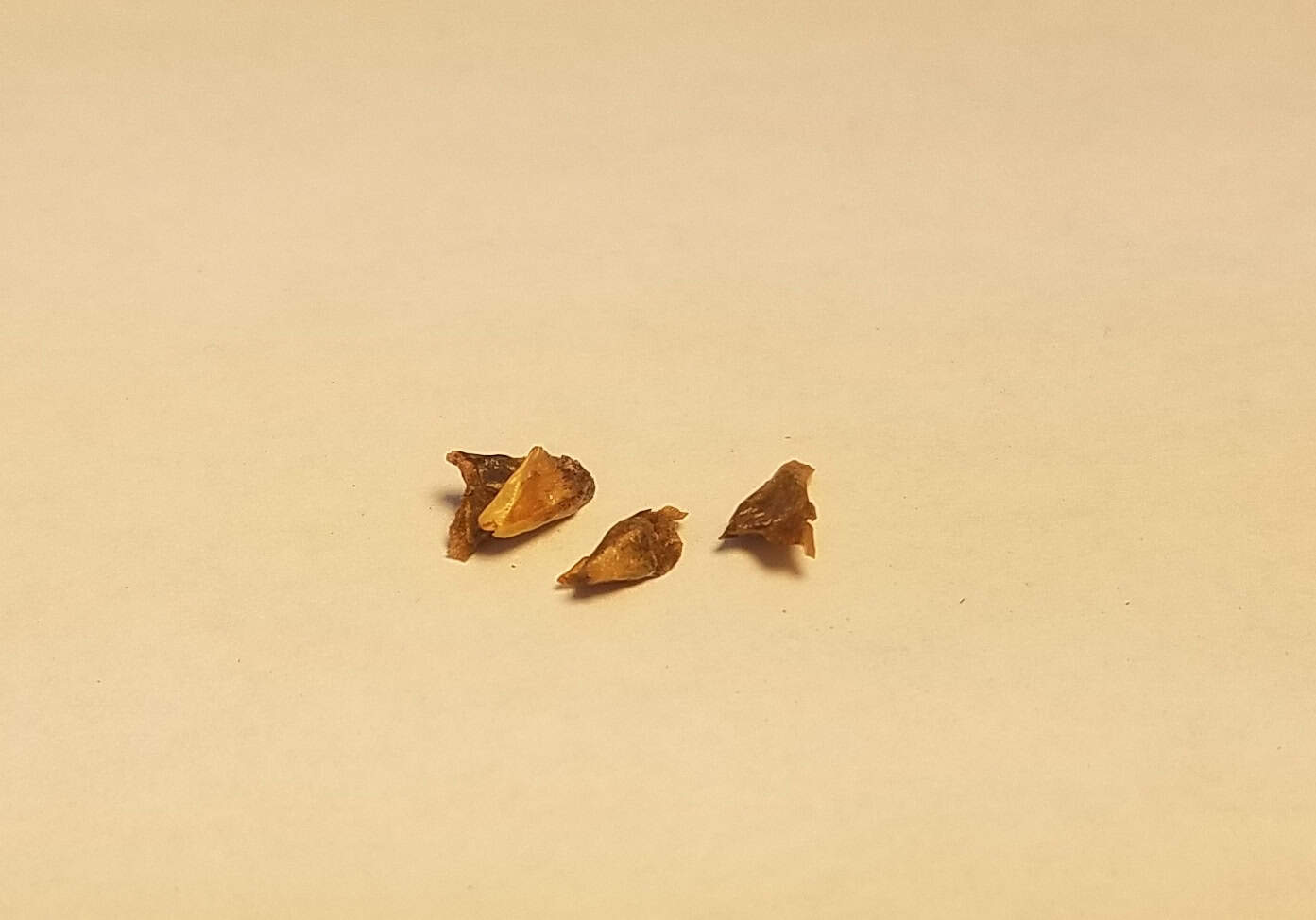
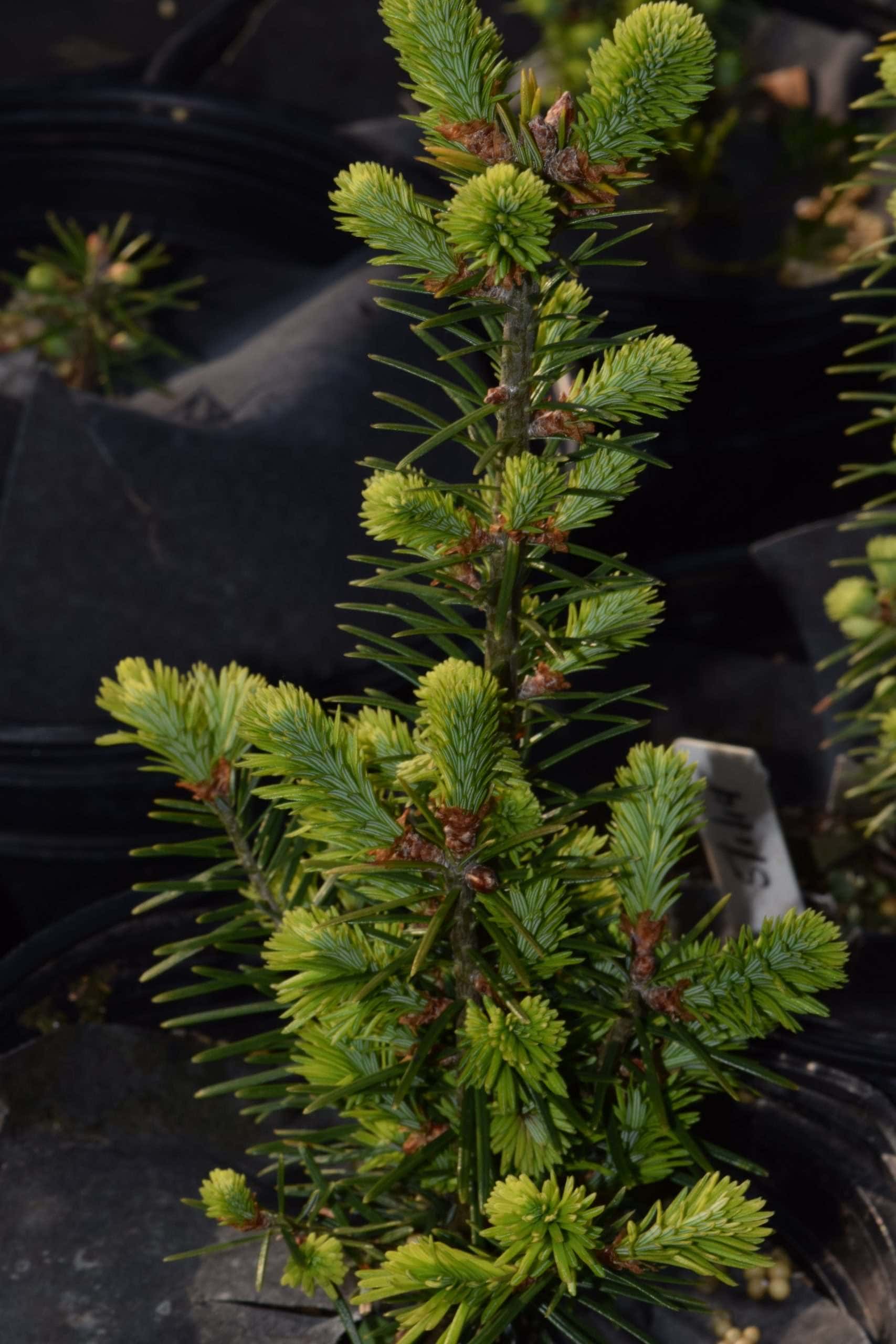
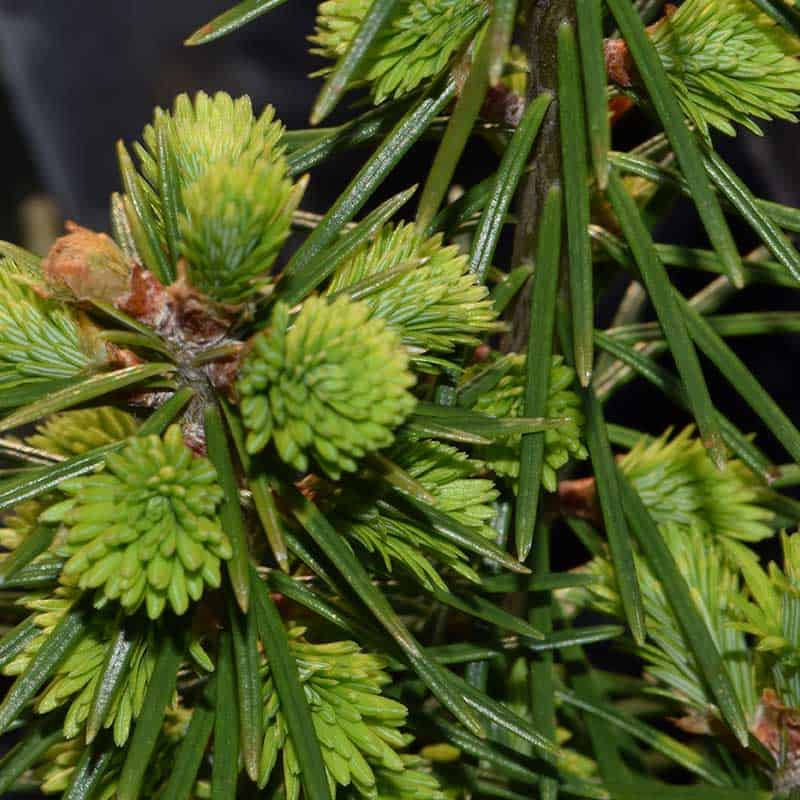
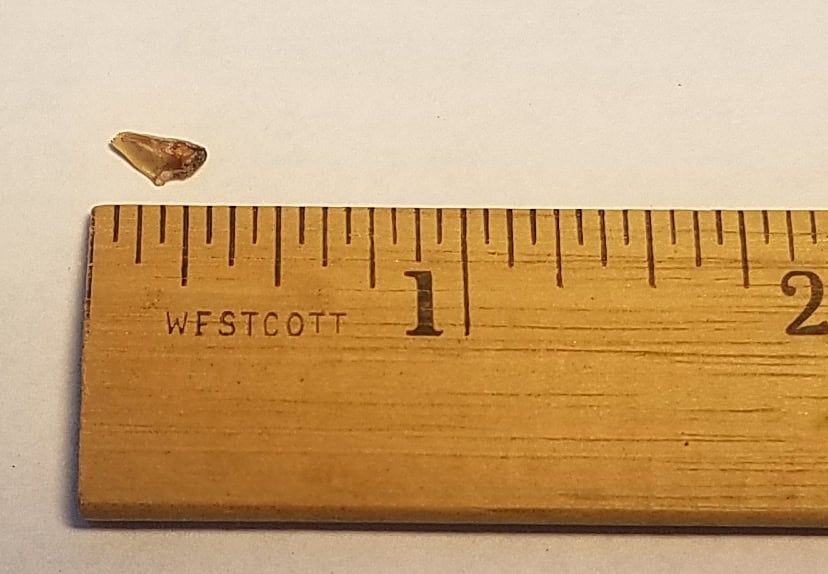
General
Balsam fir is one of the more important coniferous tree species in the Northeast. Wildlife utilize this tree for food and shelter and humans use it for Christmas trees and pulpwood. A notable feature is the fragrance produced by the needles.
Plant Description
Needles single, not double or more, attached directly to the twig. Winter buds highly resinous. Cones erect. Monoecious, with female cones found higher in the canopy and male cones slightly lower. Average mature size is 40-60ft, and maximum age is about 200 years. Seed production starts at about 20 years. Seedfall occurs Sept-Nov.
Height (ft)
40-60
Spread (ft)
15-25
Soil moisture
Medium
Soil types
Coarse to fine mineral and organic soils.
Wetland indicator
FAC
Shade tolerance
Full Sun-Part Shade
Bloom color
Yellow (Inconspicuous)
Bloom period
Summer
Fall conspicuous
No
Anaerobic tolerance
None
Drought tolerance
None
Salinity tolerance
None
Self-Pollinating?
Yes
Range
Range covers all of New England. The southern-most limit of balsam fir’s range is southern New England. The western limit is the Great Lakes region extending into Minnesota and then north into Canada.

Additional Information
According to BRIT - Native American Ethnobotany Database, the needles have been used to stuff pillows for good health. A poultice of the gum has been used to treat skin problems (wounds, rashes, etc.) The roots have been used to treat heart disease. The sap has been chewed for colds and the gum melted on hot stones to treat headaches and rheumatism. The roots were also used for thread.